Biometric Authentication Evolves to Secure Poker Deposits on Digital Platforms
Ines Beck · Aug 18, 2026
Biometric Authentication Evolves to Secure Poker Deposits on Digital Platforms
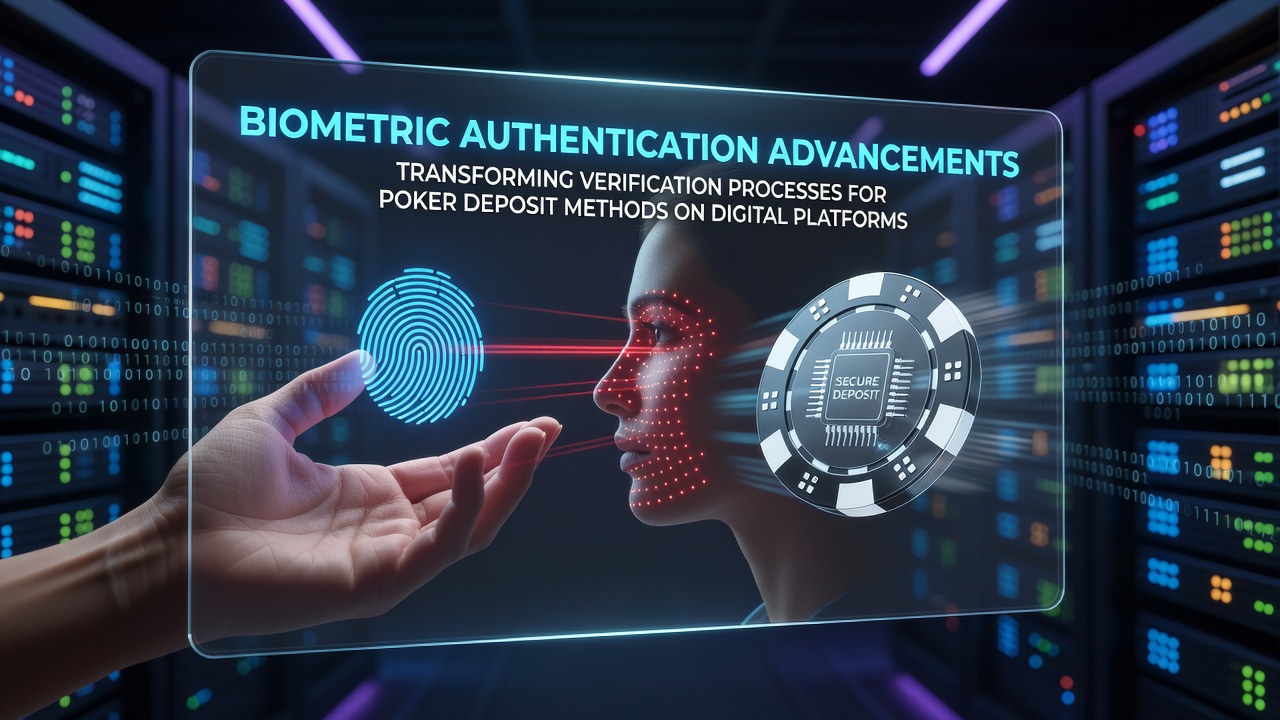
Biometric authentication has moved beyond basic fingerprint scans into integrated systems that combine facial recognition, voice analysis, and behavioral patterns for poker deposit verification on digital platforms, and these tools now process transactions in under five seconds while maintaining compliance with regional gaming regulations. Developers have embedded liveness detection algorithms that measure blood flow, eye movements, and micro-expressions to distinguish live users from static images or deepfake attempts, which has reduced unauthorized access reports by measurable margins according to platform security logs.
Core Technologies Driving the Shift
Modern biometric frameworks rely on multimodal verification that layers several identifiers together, so a single deposit attempt might require facial capture followed by a brief voice prompt and device-based keystroke rhythm analysis, and this layered approach addresses vulnerabilities that single-method systems once exposed. In August 2026 platforms updated their protocols to include thermal imaging sensors on newer mobile devices, allowing temperature-based confirmation that further limits spoofing while users complete deposits during live tournament registration windows.
Researchers at academic institutions have documented how these advancements integrate with existing know-your-customer frameworks, and the result is a streamlined process that cuts manual review times by more than half compared with earlier password-plus-document methods. Data from North American operators shows deposit completion rates climbing steadily as biometric prompts replace longer form submissions, yet the underlying encryption standards continue to meet or exceed requirements set by bodies such as the Alcohol and Gaming Commission of Ontario.
Impact on Deposit Speed and Security
Users on major digital poker sites now authorize deposits through a single biometric capture that links directly to bank accounts or digital wallets, and this direct linkage eliminates intermediate steps that previously created friction during peak evening hours across multiple time zones. Security teams report fewer chargeback disputes tied to account takeover because biometric signatures remain unique even when device credentials are compromised, and the same systems flag anomalous behavior such as sudden location changes that deviate from established player patterns.
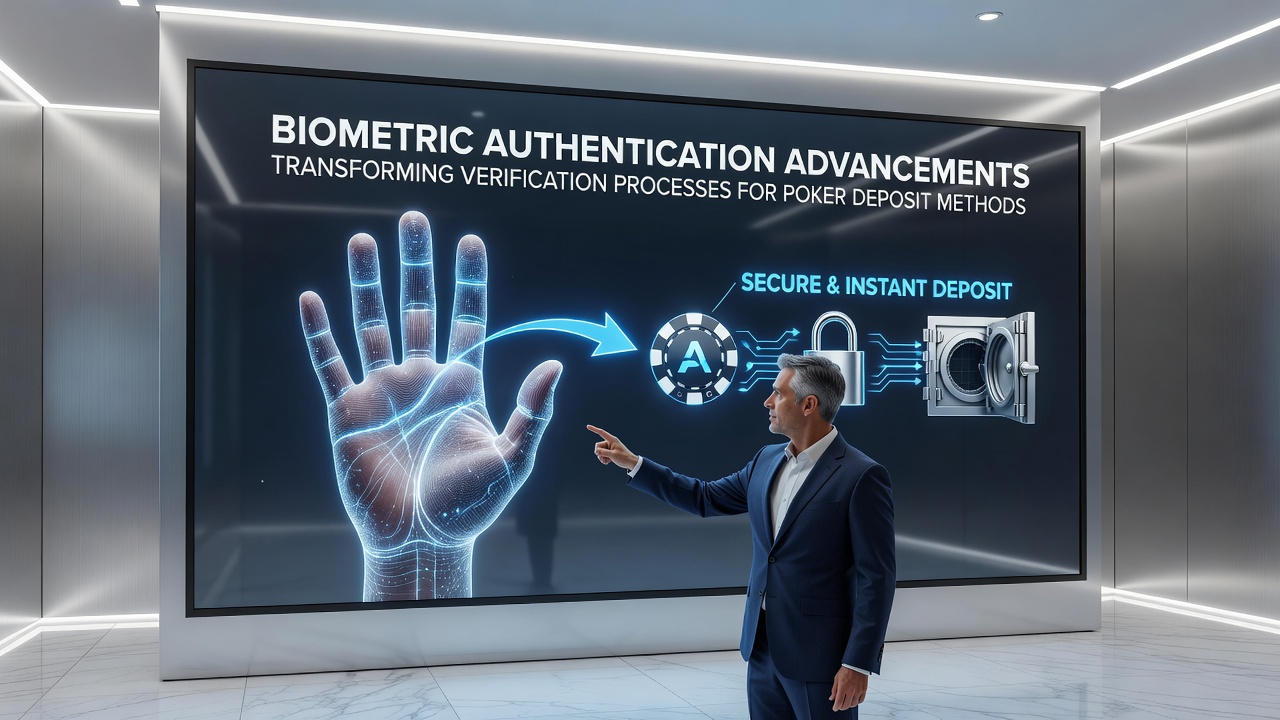
Platform operators have observed that biometric integration correlates with higher retention during first-time deposit sequences, since the reduced cognitive load lets players focus on game selection rather than lengthy identity checks. Industry reports compiled by the UNLV International Gaming Institute highlight how these tools also support responsible gaming features by allowing operators to set deposit limits that trigger biometric confirmation before additional funds can be added.
Regional Adoption Patterns
European and Asian markets adopted facial recognition for poker deposits earlier than many North American jurisdictions, yet recent regulatory updates in several Canadian provinces have accelerated rollout there as well, and operators now share anonymized biometric performance metrics across borders to refine detection models collectively. Australian regulators have likewise incorporated biometric standards into their digital gaming oversight, which has prompted global platform providers to standardize their verification pipelines so that a single user profile functions consistently regardless of geographic access point.
Technical teams continue to refine edge cases such as low-light environments or users wearing masks for health reasons, and the solutions involve adaptive lighting plus alternative modalities like palm-vein scanning that maintain accuracy without requiring full facial visibility. These refinements keep verification success rates above 98 percent across tested device types while preserving the speed that players expect during fast-fold or multi-table sessions.
Future Integration Points
Developers are exploring connections between biometric deposit systems and tournament integrity tools, so that the same facial or voice print used for funding can later confirm player identity during high-stakes events without additional steps. Hardware manufacturers are embedding higher-resolution sensors in next-generation phones and tablets, which will expand the range of biometric signals available and potentially reduce reliance on any single identifier.
Conclusion
Biometric authentication continues to reshape how poker deposits occur on digital platforms by combining speed with layered security that meets evolving regulatory expectations worldwide, and ongoing refinements in sensor technology plus algorithmic detection keep the process both efficient and resistant to emerging threats. Platforms that have implemented these systems report consistent gains in transaction reliability, while users benefit from shorter verification windows that integrate smoothly into regular play patterns.