Customization Features Reshaping Player Choices in Prolonged Digital Poker Sessions Across Major Sites
Alex Wolf · Jul 21, 2026
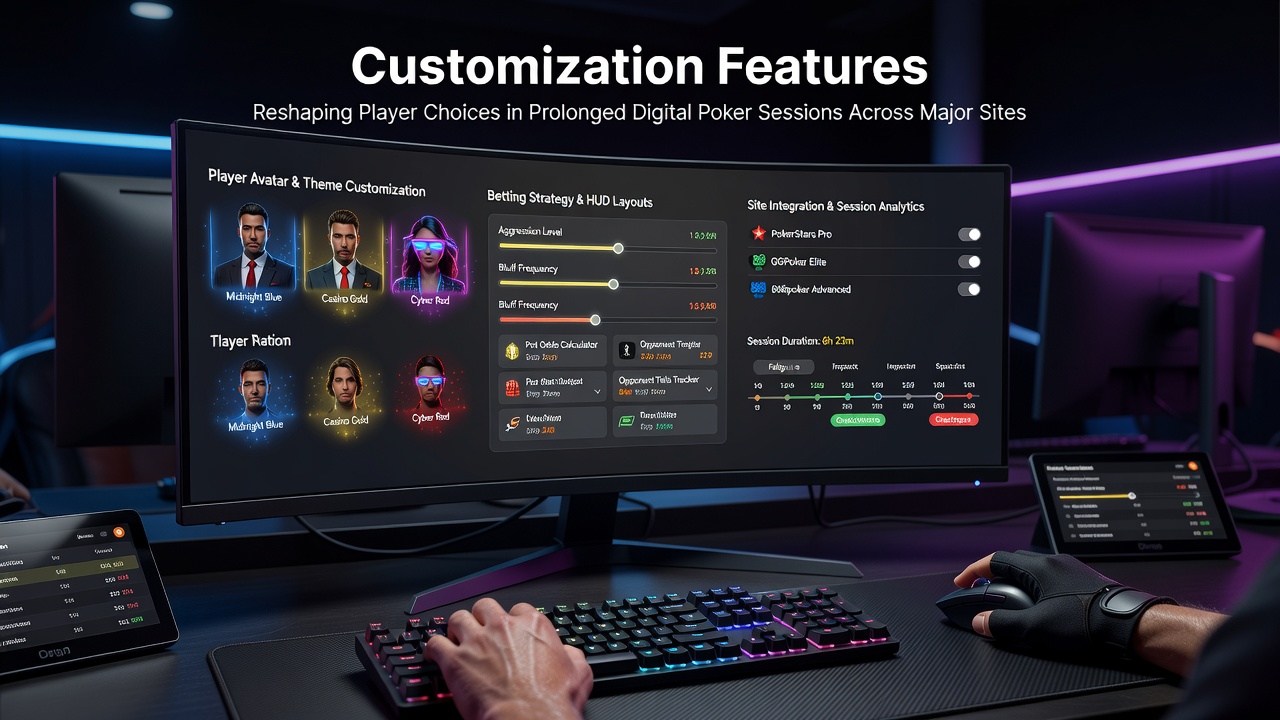
Customization Features Reshaping Player Choices in Prolonged Digital Poker Sessions Across Major Sites
Customization tools have become central elements on leading digital poker platforms, allowing participants to adjust visual layouts, interface elements, and session parameters during extended play periods that often stretch across multiple hours. Major operators including those operating under licenses from the Nevada Gaming Control Board and the European Gaming and Betting Association have rolled out options such as adjustable table themes, avatar selections, and notification preferences that players activate through dedicated menus. These modifications help users maintain focus when sessions extend into the early morning hours, particularly in July 2026 when traffic patterns showed increased evening activity across North American and European servers.
Data from platform reports indicate that users who activate multiple customization layers tend to complete longer sessions compared with those relying on default settings. Researchers tracking engagement metrics across sites like PokerStars and 888poker noted that filters for opponent statistics and bet sizing animations receive frequent adjustments during multi-table tournaments. Such features connect directly to decision-making processes because they reduce visual clutter while highlighting relevant information like pot odds or stack depths in real time.
Interface Adjustments and Session Duration Patterns
Players gain access to modular display options that include resizing action buttons, toggling chat windows, and selecting color schemes suited to low-light environments. One analysis of usage logs from July 2026 revealed that participants who customized their HUD elements reported fewer instances of misclicks during four-hour stretches. These adjustments operate through backend systems that remember preferences across devices, enabling seamless transitions from desktop to mobile when users switch platforms mid-session.
Observers note that time-zone specific tools allow automatic adjustments for peak hours in different regions, which proves useful for international players joining late-night events originating from Asia-Pacific servers. The result appears in aggregated statistics showing extended average session lengths on nights when customization uptake exceeded 65 percent of active accounts.
Opponent Filters and Strategic Decision Tools
Advanced filtering systems let users highlight specific playing styles or exclude certain table types based on historical data. These options integrate with built-in tracking modules that update live during prolonged tournaments, presenting information through sortable columns and color-coded indicators. Industry reports from the American Gaming Association document how such filters influence table selection, with many participants narrowing their choices to games matching predefined criteria like average pot size or aggression frequency.
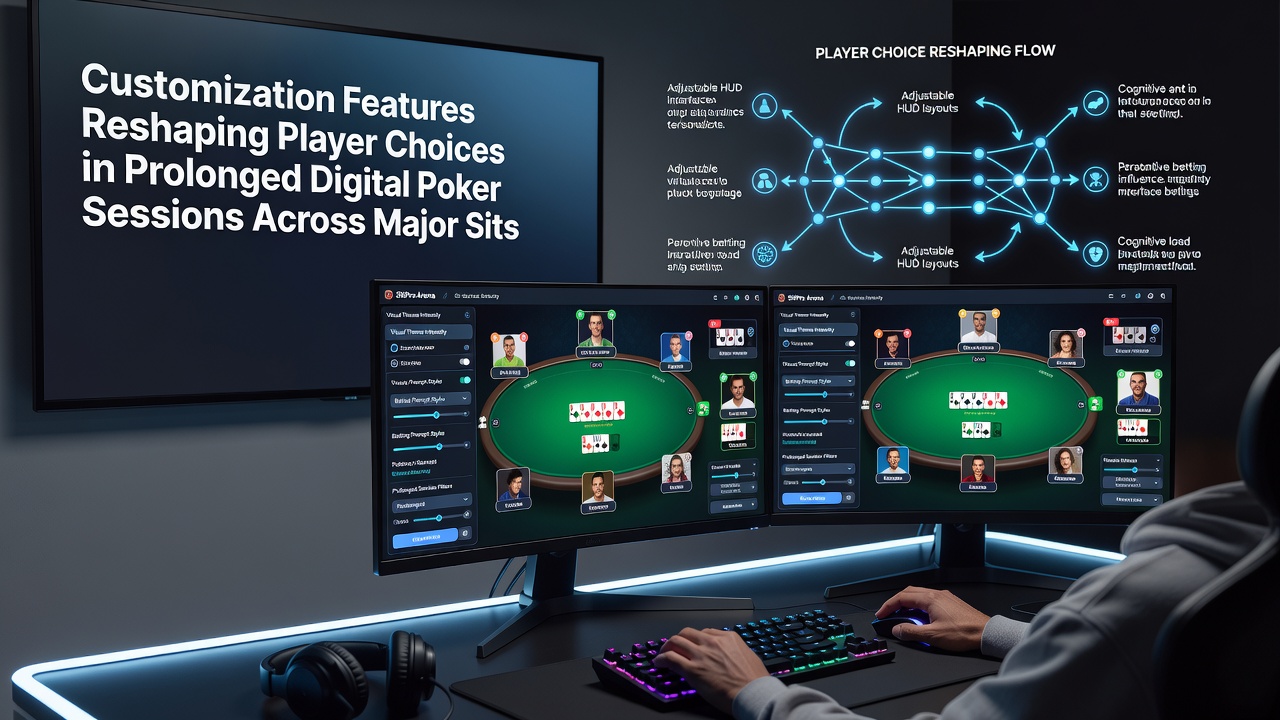
Academic studies published through university gaming research centers have examined how these tools affect cognitive load over time. Findings show that reduced information overload correlates with steadier decision patterns after the third hour of continuous play. Participants who set custom alerts for specific bet patterns maintain higher accuracy rates in hand evaluations compared with those using standard displays.
Visual and Audio Personalization Across Platforms
Sound profiles and animation speeds represent another layer of control, with options to mute dealer voices, slow down card reveals, or apply subtle particle effects to chip movements. Major sites updated these capabilities in early 2026 to comply with accessibility guidelines issued by regulatory bodies in multiple jurisdictions. Users often combine audio tweaks with visual themes to create environments that feel less repetitive during marathon sessions that span several time zones.
Platform operators report that such combinations appear most frequently among users who log in during overlapping peak periods across continents. The ability to save multiple preset configurations allows quick switches when moving between cash games and tournament formats without restarting the application.
Conclusion
Customization layers continue to expand across digital poker environments, driven by updates rolled out in July 2026 and subsequent months. These features connect interface flexibility directly to choices about table selection, session length, and strategic focus. Regulatory data and usage statistics confirm that players who engage with these tools experience measurable differences in how they navigate extended play periods on major platforms.