Exploring Demographic Shifts Driving Engagement Patterns in Digital Card Competition Ecosystems
Ines Beck · May 24, 2026
Exploring Demographic Shifts Driving Engagement Patterns in Digital Card Competition Ecosystems
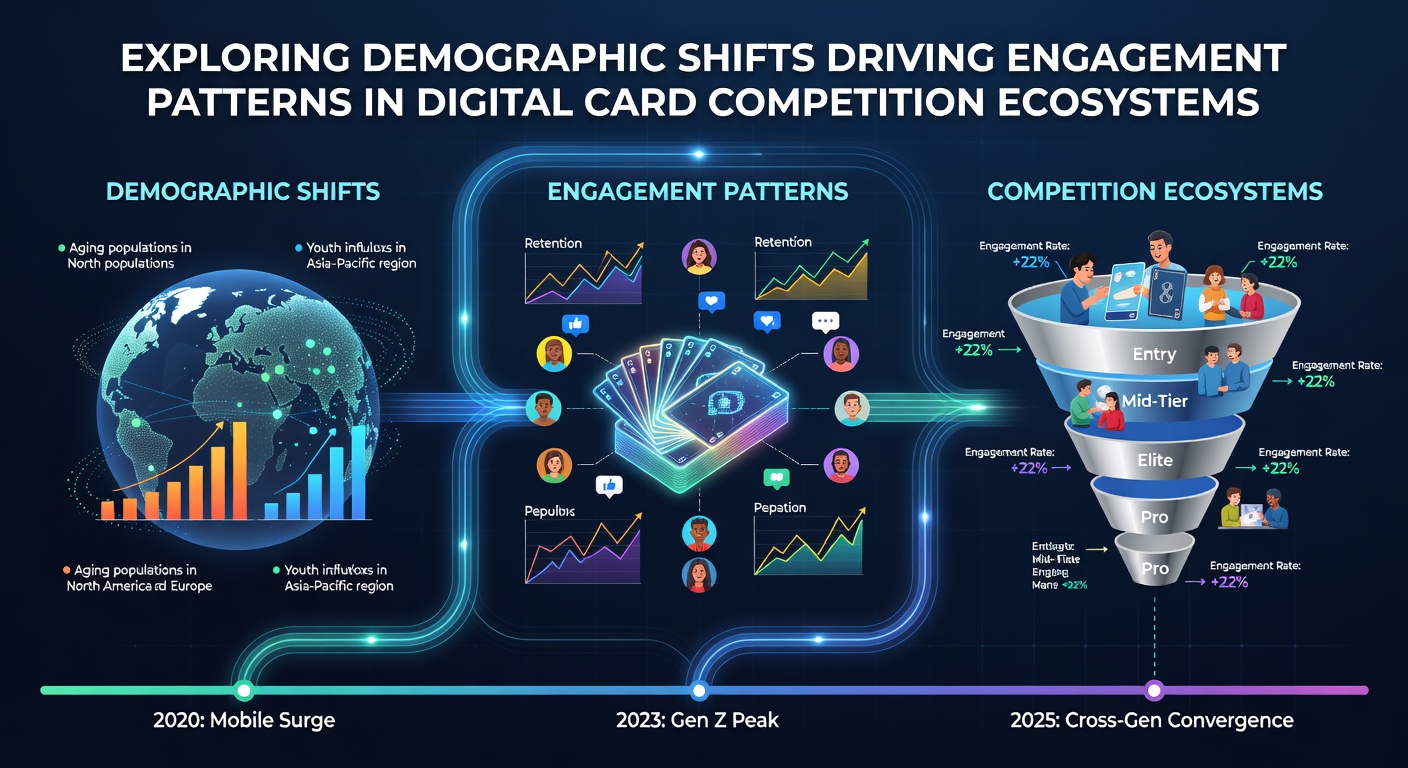
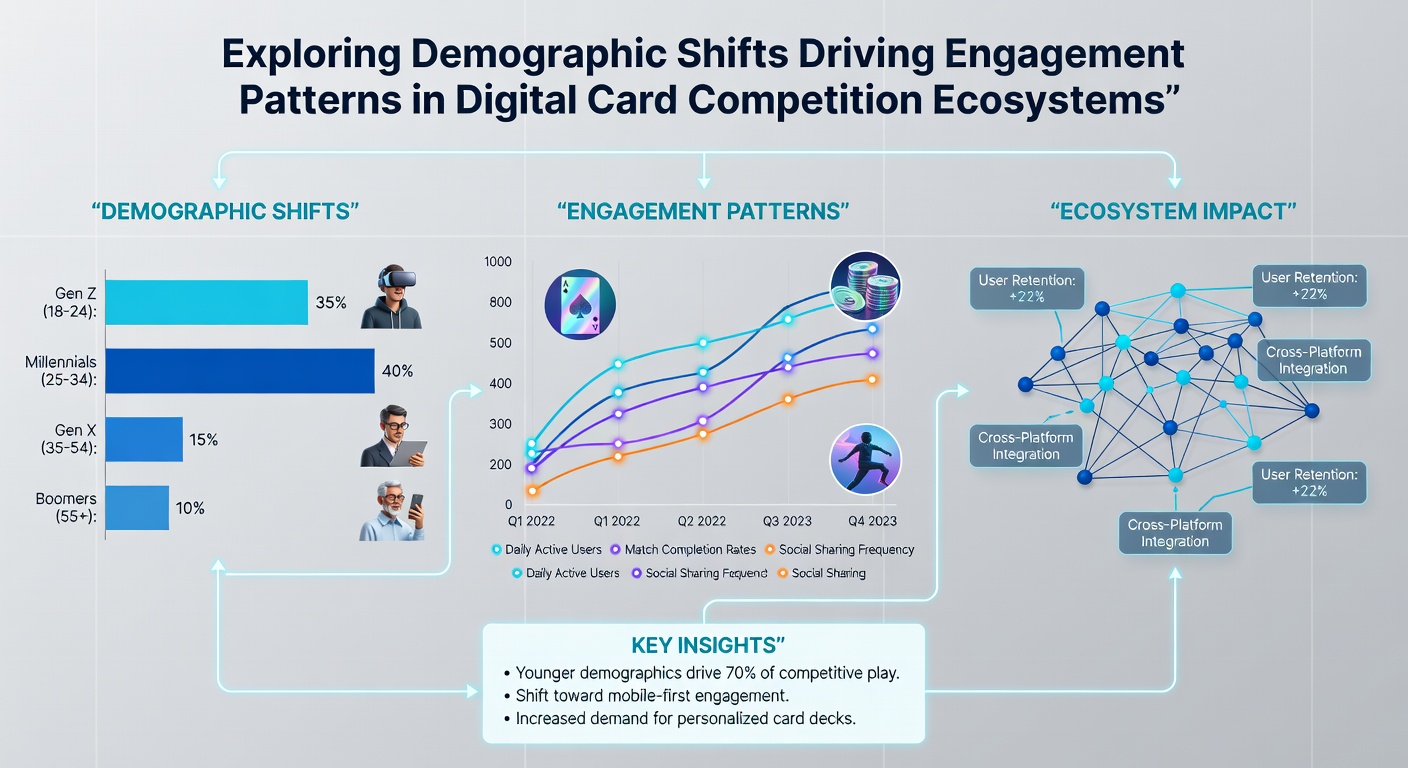
Recent data compiled across multiple platforms shows younger cohorts between ages 18 and 34 now account for over 60 percent of active participants in online card tournaments, a marked increase from figures recorded five years earlier. Studies conducted by industry researchers indicate this group favors mobile-first interfaces that allow quick entry into multi-table events and integrates social features such as live chat and team-based leaderboards. Meanwhile older demographics aged 45 and above continue to show steady engagement yet concentrate activity during evening hours and prefer structured sit-and-go formats over high-volume cash games. Geographic distribution patterns have also evolved noticeably. Participation from Asia-Pacific regions expanded by 28 percent between 2023 and 2025 according to aggregated platform metrics, driven largely by increased smartphone penetration in markets such as South Korea and Vietnam. In contrast North American engagement grew at a slower 12 percent rate during the same period yet maintained higher average session lengths per user. European figures released through national gaming oversight bodies reveal similar stabilization while highlighting rising involvement from Eastern European countries where regulatory clarity improved access. Gender composition within competitive card ecosystems reflects another clear transition. Female participation rates climbed from roughly 15 percent in 2021 to nearly 24 percent by early 2026 with data from several major operators showing women disproportionately selecting mid-stakes tournaments rather than high-roller events. Observers note that targeted onboarding programs and gender-specific community events correlate with these gains although overall representation remains below parity with broader gaming audiences. Income brackets further shape engagement behaviors in measurable ways. Higher-earning users tend toward premium subscription models that unlock exclusive tournaments and advanced analytics tools while lower-income participants gravitate toward freemium entry points and satellite qualifiers that feed into larger prize pools. Platform telemetry collected through 2025 demonstrates that players in the middle-income range exhibit the highest retention when loyalty rewards incorporate both monetary and experiential incentives such as branded merchandise or travel packages.Age-Related Preferences and Platform Adaptations
Generation Z competitors often combine card play with streaming activities creating hybrid engagement loops where viewers transition directly into active participation via integrated sign-up flows. Millennials meanwhile balance competitive sessions with family schedules leading to shorter but more frequent logins throughout the week. These patterns prompted operators to introduce flexible tournament structures including turbo formats and late-registration options that accommodate varied availability.
Research from academic sources tracking user behavior across five major platforms found that players under 25 spend 35 percent more time in practice modes before entering paid competitions compared with older cohorts. This preparation emphasis aligns with broader trends in skill-based digital entertainment where users seek measurable improvement metrics before committing funds.
Regional Regulatory Influences on Participation
Regulatory developments in Canada and Australia shaped demographic access during 2025 with Ontario's regulated market reporting a 19 percent rise in first-time depositors while Australia's state-level frameworks produced more gradual uptake concentrated among existing players. These shifts illustrate how licensing clarity can accelerate or moderate the entry of specific age and income groups into competitive ecosystems.
Income and Device Trends Intersecting with Competition Formats
Device usage data reveals that smartphone play now exceeds desktop activity by a two-to-one margin among users aged 18 to 29 whereas tablet and desktop combinations remain common among participants over 40. This hardware divergence influences preferred game variants with mobile users showing stronger affinity for fast-fold poker and shorter blind structures that fit brief play windows during commutes or breaks.
Operators responded by optimizing applications for lower-bandwidth environments which in turn expanded reach into emerging markets where data costs remain a consideration. Figures from platform analytics indicate these optimizations coincided with increased repeat participation from regions previously limited by connectivity constraints.
Emerging Patterns Through Mid-2026
By May 2026 preliminary reports from North American and European operators pointed to sustained growth in mixed-gender team competitions and charity-driven events that attract broader demographic slices. These formats blend competitive elements with social causes creating entry points for users who might otherwise view traditional tournaments as inaccessible. Cross-platform integrations with esports titles also surfaced as a recruitment channel with card operators hosting crossover qualifiers that draw viewers from non-traditional gaming backgrounds.
Conclusion
Demographic shifts continue to reshape engagement within digital card competition ecosystems through measurable changes in age distribution, geographic spread, gender balance, and device preferences. Platform operators track these patterns via aggregated telemetry and adjust tournament structures, reward systems, and accessibility features accordingly. Data from regulatory agencies and industry associations such as the American Gaming Association alongside reports from the Malta Gaming Authority provide ongoing benchmarks that help stakeholders understand participation dynamics without relying on singular regional perspectives. These evolving patterns suggest continued adaptation will remain central to maintaining diverse user bases across competitive card environments.