How Cross-Border Data Regulations Are Affecting User Verification Processes in Worldwide Online Card Competition Sites
Ines Beck · Jul 10, 2026
How Cross-Border Data Regulations Are Affecting User Verification Processes in Worldwide Online Card Competition Sites
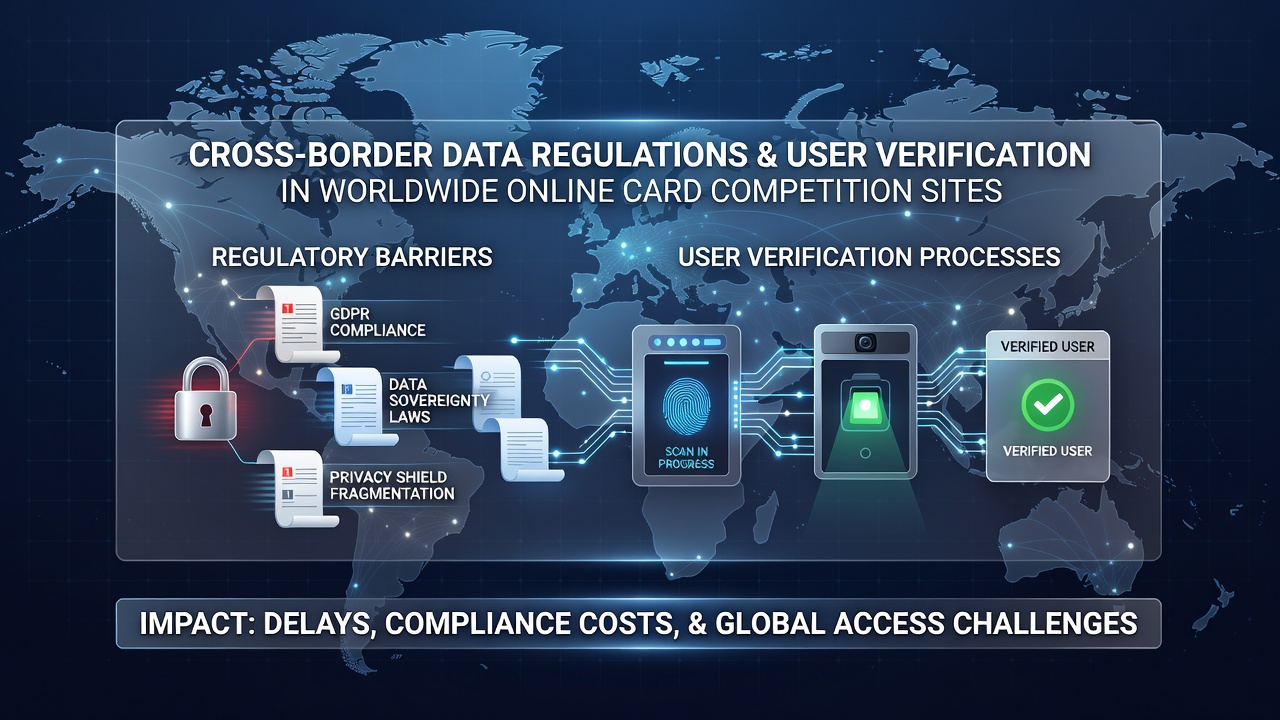
Cross-border data regulations have reshaped how online card competition sites handle user verification, and operators now navigate a patchwork of rules that span continents while balancing security with privacy mandates. In July 2026 several jurisdictions continue to enforce updated frameworks that require explicit consent for data transfers, localized storage of personal identifiers, and detailed audit trails for every verification step. These changes affect platforms that serve players across the European Union, North America, Asia-Pacific regions, and emerging markets in Latin America.
Key Regulatory Frameworks Driving Change
The European Union's General Data Protection Regulation remains central, yet newer interpretations from the European Data Protection Board have tightened requirements around cross-border data flows for identity checks. Platforms must now demonstrate that verification data stays within approved jurisdictions unless additional safeguards like binding corporate rules apply. In parallel, California's Consumer Privacy Act and its subsequent amendments impose similar obligations on sites with significant user bases in the state, forcing operators to segment data processing workflows by region.
Canada's Personal Information Protection and Electronic Documents Act, administered through the Office of the Privacy Commissioner, adds another layer when sites process verification documents for North American users. Meanwhile, Australia's Privacy Act and the Australian Competition and Consumer Commission guidelines require organizations to notify users about overseas disclosures during account setup. These overlapping rules create situations where a single verification request triggers multiple compliance checks depending on the player's location.
Verification Process Adjustments Across Platforms
Operators have responded by deploying tiered verification systems that route documents through region-specific servers rather than central databases. Research from the OECD indicates that average processing times for new accounts increased by 18 percent between 2024 and 2026 as sites implemented these segmented workflows. Some platforms now request minimal data upfront and complete full identity confirmation only after players reach certain deposit or tournament thresholds.
Zero-knowledge proof technologies have gained traction because they allow sites to confirm age or residency without retaining full copies of passports or driver's licenses. One study published by researchers at the University of Toronto found that platforms adopting these tools reduced data storage volumes by up to 40 percent while still meeting regulatory audit demands. At the same time, traditional document upload methods persist in markets where local laws still favor explicit record-keeping over privacy-enhancing alternatives.
Regional Variations in Implementation
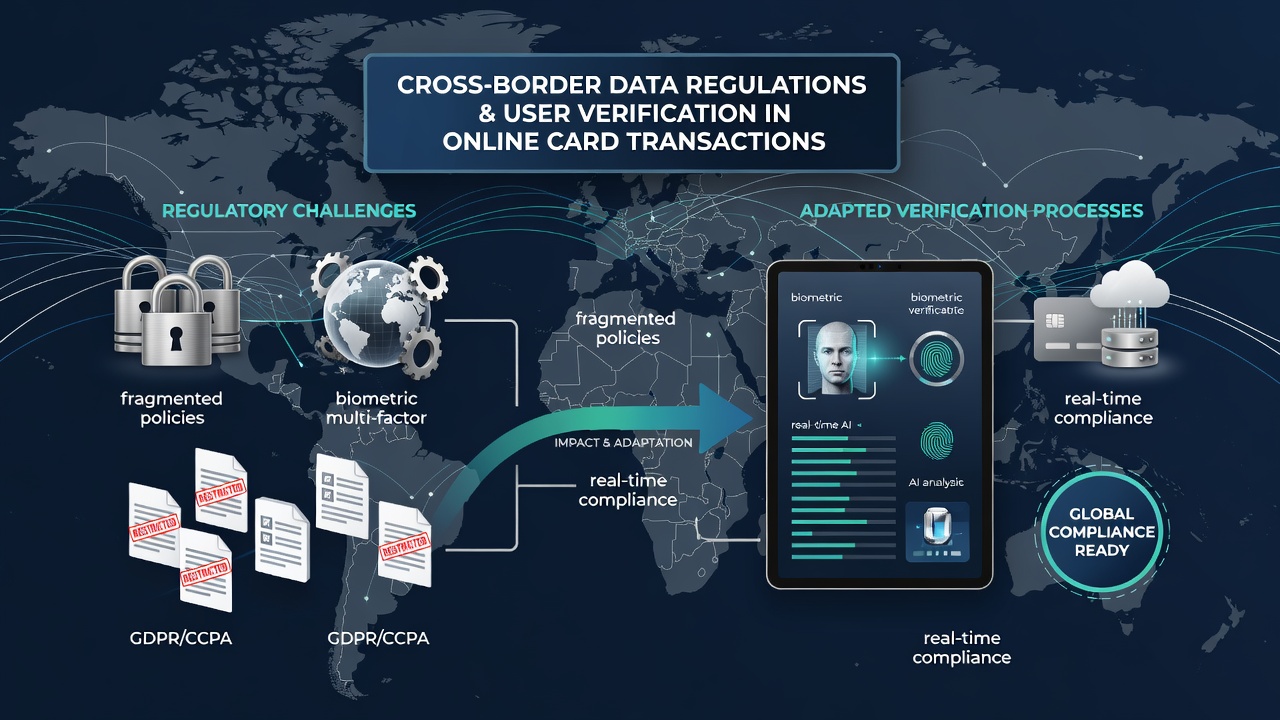
European operators face stricter consent requirements under updated ePrivacy rules, so verification flows often include granular opt-in checkboxes for each data category. North American sites, by contrast, emphasize data minimization clauses that limit retention periods to 90 days after account closure in many cases. In Asia, Singapore's Personal Data Protection Commission has introduced guidelines that encourage the use of trusted third-party verifiers, which several major card platforms now integrate to streamline cross-border checks.
Observers note that Latin American jurisdictions are adopting elements of Brazil's Lei Geral de Proteção de Dados, leading some sites to establish local verification teams in São Paulo and Mexico City. These teams handle document review while ensuring data never leaves the region without explicit player authorization. The result is a more fragmented user experience where players in different countries encounter distinct sequences of prompts and wait times during signup.
Technological and Operational Responses
Many platforms have invested in API connections with government identity databases where permitted, such as Australia's Document Verification Service or Estonia's e-Residency system. These integrations reduce the need to store raw documents on company servers yet still satisfy regulatory demands for accurate verification. Industry reports from the International Association of Gaming Regulators show that sites using such connections experienced fewer compliance incidents during routine audits in the first half of 2026.
Encryption standards have also evolved, with end-to-end protocols now standard for any data that must travel between jurisdictions. Training programs for compliance teams emphasize recognizing jurisdiction-specific red flags during manual reviews, and automated systems flag potential mismatches before human staff intervene. The shift has increased operational costs, yet it has also reduced the frequency of data breach notifications tied to verification records.
Conclusion
Cross-border data regulations continue to influence every stage of user verification on worldwide online card competition sites, prompting operators to adopt segmented storage, privacy-preserving technologies, and region-specific workflows. As frameworks evolve in 2026, platforms that maintain flexible systems while meeting local mandates demonstrate how compliance can coexist with efficient player onboarding across borders.