How Emerging Payment Innovations Are Reshaping Accessibility and Participation Patterns Across Digital Card Gaming Platforms
Yara Lehmann · May 22, 2026
How Emerging Payment Innovations Are Reshaping Accessibility and Participation Patterns Across Digital Card Gaming Platforms
The Shift Toward Seamless Transactions
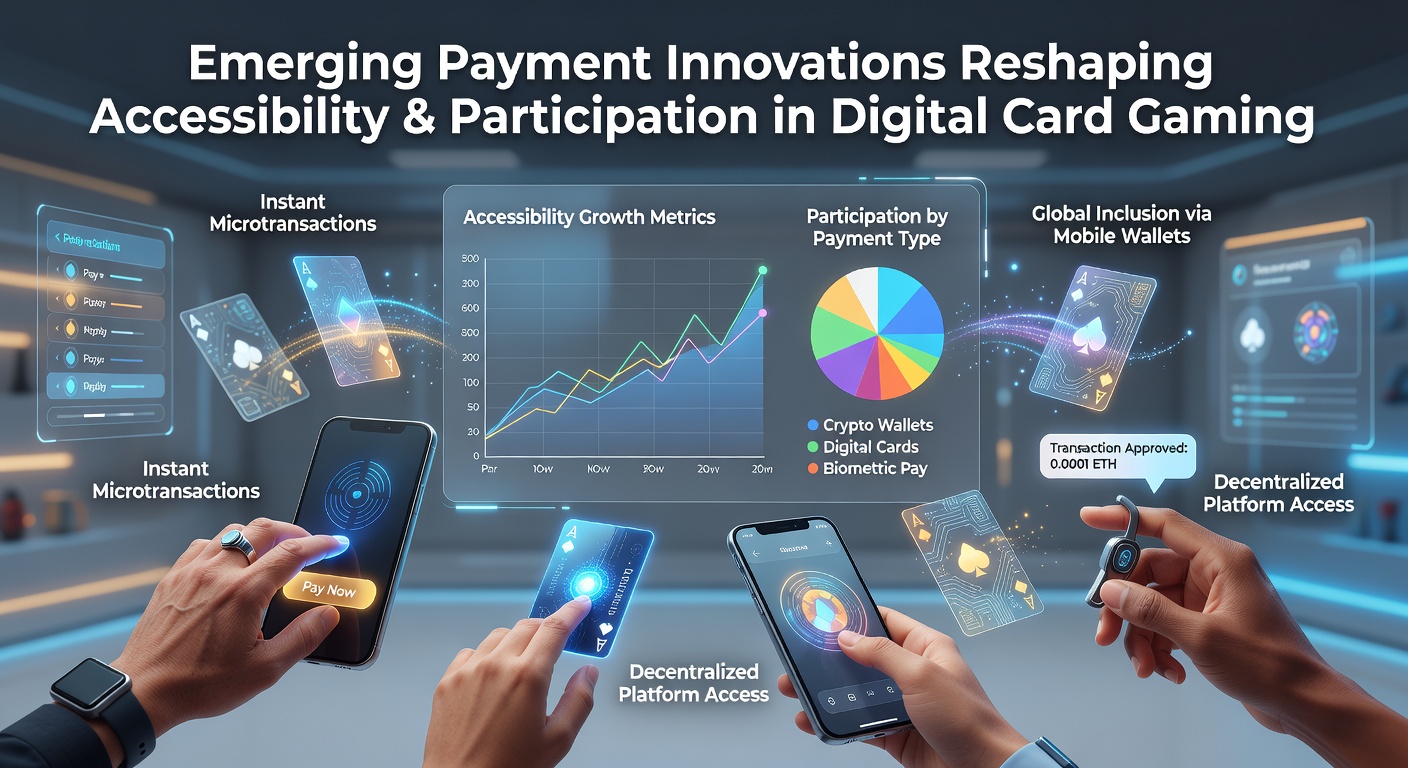
Payment systems in digital card gaming have evolved rapidly as platforms integrate faster settlement methods and broader currency options that reduce traditional barriers for players worldwide. Cryptocurrency transfers along with instant bank links and digital wallets now allow users to move funds into gaming accounts within seconds rather than days which alters who can participate and how often they engage.
Platforms handling poker variants and table games report higher volumes from regions where banking infrastructure once limited access and observers note that these tools expand reach into emerging markets across Southeast Asia and parts of Latin America. Data from industry trackers shows participation rates climbing steadily through early 2026 with notable upticks recorded around May when several major operators rolled out enhanced wallet integrations.
Key Innovations Driving Change
Blockchain-based payments stand out because they bypass many legacy financial rails and deliver near-instant confirmation for deposits and withdrawals. Players gain the ability to use stablecoins that shield them from volatility while platforms maintain compliance through regulated gateways. Digital wallet services such as those tied to mobile carriers have also gained traction allowing gamers in areas with limited credit card penetration to join sessions using local currency balances.
Biometric authentication paired with these payment layers adds another dimension by speeding verification without repeated password entries. Research indicates that platforms adopting fingerprint or facial recognition for transaction approval see reduced drop-off rates during checkout flows. According to findings shared by the Federal Reserve digital payment adoption continues to accelerate across consumer sectors including entertainment which directly feeds into gaming environments.
Expanding Access for New Demographics
Lower minimum deposit thresholds made possible by micro-transaction support open doors for casual participants who previously avoided platforms due to high entry costs. Younger users from mobile-first generations show particular affinity for these streamlined options since they align with everyday spending habits on apps and social platforms. Participation patterns reveal increased session frequency among these groups alongside steadier engagement from older demographics who appreciate the reduced friction in funding accounts.
Geographic diversity grows as well when payment rails accommodate local preferences such as QR code systems popular in parts of Asia or bank transfer protocols common in Europe. One study revealed that operators offering multiple currency pairs and regional methods experienced broader user bases compared with those limited to traditional card processing alone.
Effects on Participation Patterns and Retention
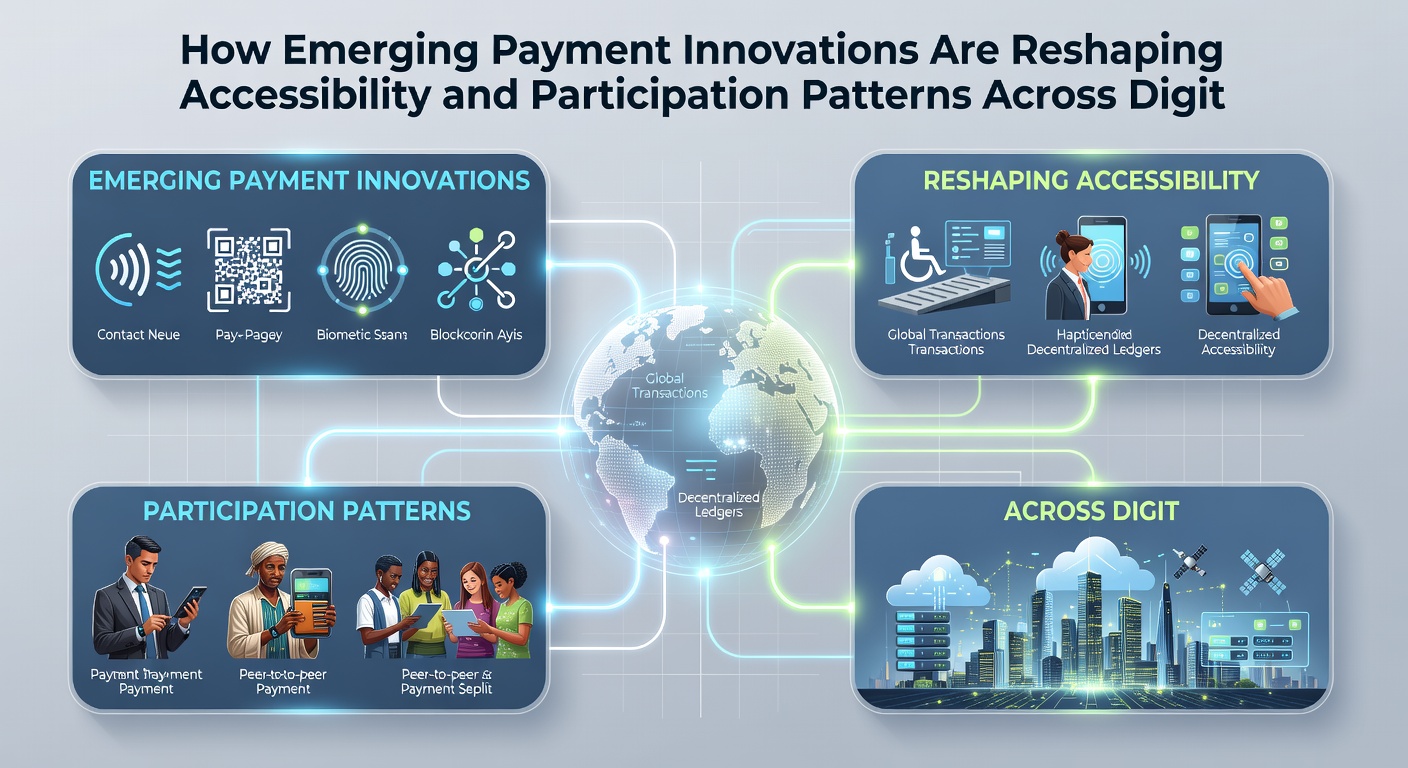
Instant withdrawal capabilities encourage repeat play because users no longer wait extended periods to access winnings which builds trust and sustains activity levels. Figures from platform analytics indicate that retention improves when payout speeds drop below one hour compared with older multi-day processing times. Tournaments and cash games both benefit as players reinvest funds more readily without liquidity concerns interrupting momentum.
Observers note shifts in peak activity hours tied to payment convenience since users in different time zones can now top up accounts quickly before joining live sessions. This flexibility contributes to more consistent global participation rather than concentrated bursts from specific regions. Industry reports highlight that operators investing in these systems record measurable gains in average user lifetime value through sustained involvement.
Regulatory and Security Considerations
Compliance frameworks adapt alongside innovation as regulators examine how new payment channels affect consumer protections and anti-money laundering standards. Platforms must balance speed wth verification protocols to meet requirements from bodies like the Alcohol and Gaming Commission of Ontario which oversees digital operations in its jurisdiction. Security enhancements such as tokenization and multi-factor checks integrate directly into payment flows to maintain integrity while preserving user experience.
Academic analyses from research institutions continue to track these developments with emphasis on equitable access across socioeconomic groups. Patterns suggest that transparent fee structures and clear transaction histories help maintain participation among users who value predictability in their gaming budgets.
Conclusion
Emerging payment methods continue to influence digital card gaming by lowering entry points and supporting more fluid participation across diverse populations. As platforms refine these tools through 2026 the resulting accessibility gains reshape how and where users engage with online tables and tournaments. Data and operational trends point to ongoing evolution in user behavior driven by these technological advances rather than isolated regional factors.