How Regional Licensing Shifts are Altering Multi-Platform Participation Flows in International Digital Card Networks
Alex Neumann · Jun 19, 2026
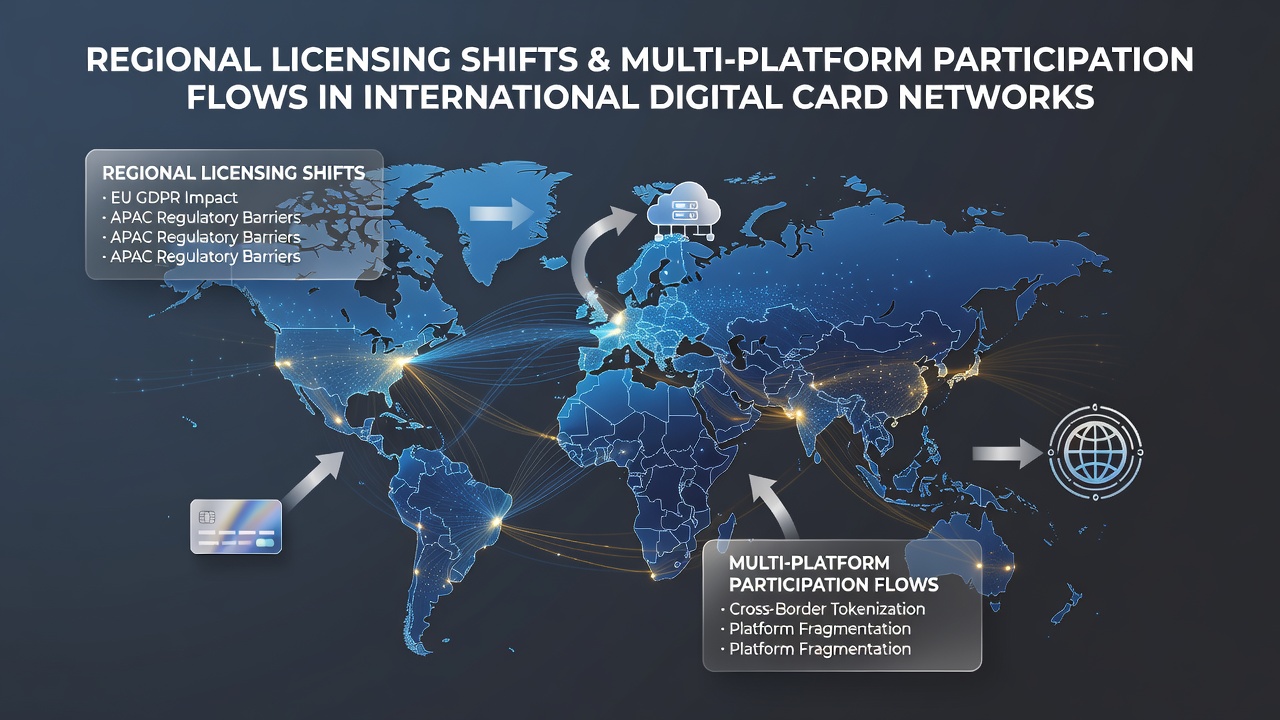
How Regional Licensing Shifts are Altering Multi-Platform Participation Flows in International Digital Card Networks
Regional licensing frameworks have undergone notable adjustments in recent years and these modifications continue to reshape how participants engage with multiple digital card platforms that operate across borders. Observers note that operators must now navigate distinct regulatory requirements in each jurisdiction while players experience corresponding changes in access options and platform availability. Data from industry tracking services indicates that participation patterns have shifted measurably since early 2025 with certain regions recording increased cross-platform activity while others show contraction in multi-network usage.
Key Licensing Adjustments Across Major Markets
European jurisdictions implemented updated compliance standards in late 2025 that require digital card networks to maintain separate licensing entities for each member state rather than relying on a single pan-regional authorization. Researchers at several academic institutions documented how these rules prompted platforms to segment their user bases and adjust server routing protocols accordingly. In contrast Australian authorities expanded recognition agreements with select Asian regulators during the first quarter of 2026 allowing approved operators to offer services to participants in multiple countries under harmonized technical standards.
North American developments followed a different trajectory with several Canadian provinces introducing reciprocal licensing provisions by May 2026. Those provisions enable operators licensed in one province to extend services into others provided they meet localized responsible gaming and data protection criteria. Figures from the Canadian Gaming Association reveal that multi-platform participation among users increased by 18 percent in provinces that adopted these measures compared with regions that maintained stricter standalone requirements.
Effects on Cross-Border Participation Patterns
Players who previously moved seamlessly between international networks now encounter additional verification layers when crossing licensed zones and these steps alter the speed and frequency of platform switching. One study conducted by analysts at a European research consortium found that average session duration on secondary platforms declined by 12 percent in markets with fragmented licensing while primary platform loyalty metrics rose. The same analysis showed that participants in regions with mutual recognition agreements maintained higher rates of multi-platform engagement throughout the spring of 2026.
Network operators responded by deploying region-specific interfaces and localized payment gateways that comply with each licensing regime. Observers tracking user behavior reported that these adaptations reduced technical friction yet introduced new decision points for participants deciding which platforms to access on any given day. In June 2026 several major networks announced synchronized updates that align identity verification processes across approved jurisdictions thereby easing some of the previous barriers without violating individual licensing terms.
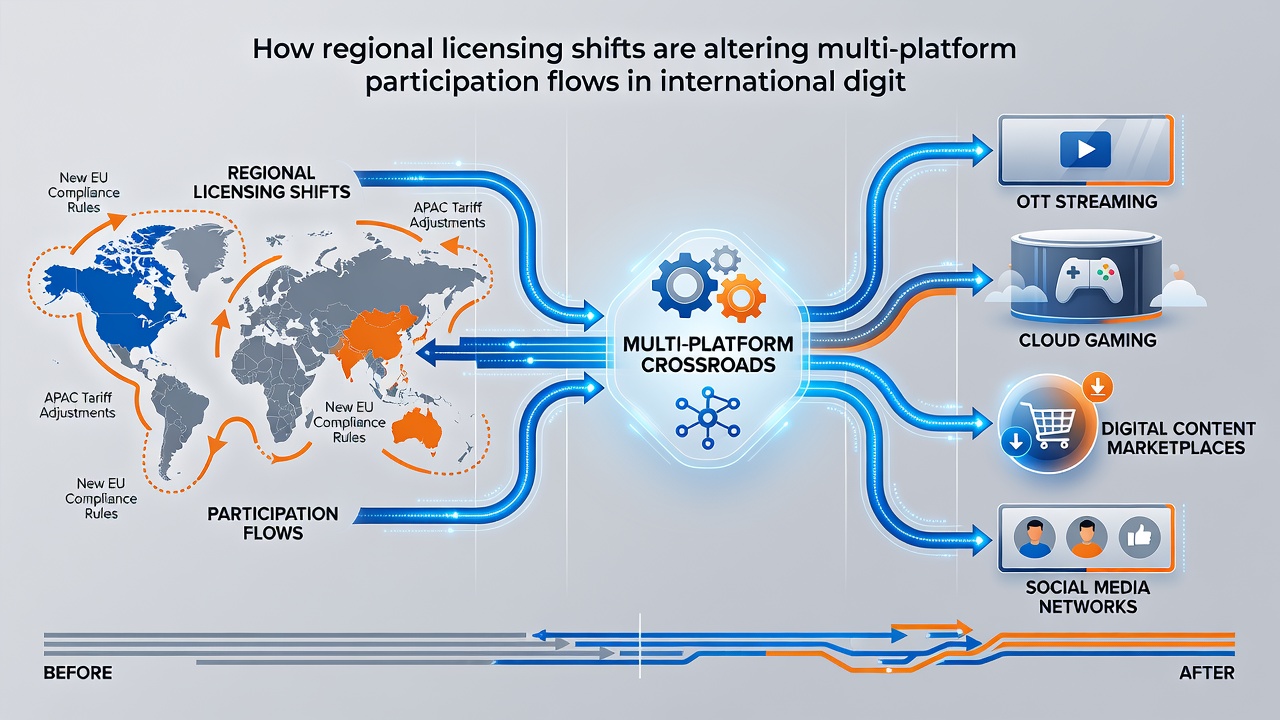
Data Trends Observed Through Mid-2026
According to statistics compiled by the European Commission digital market monitoring unit cross-border digital card activity within the EU declined 7 percent year-over-year through the end of May 2026 yet stabilized after new licensing clarifications took effect. The same report notes that platforms operating under multiple national licenses recorded higher retention rates among users who engage with several services simultaneously. Outside Europe similar patterns emerged in markets that adopted streamlined recognition frameworks while jurisdictions maintaining isolated licensing structures experienced slower growth in overall participation.
Additional figures from the Australian Communications and Media Authority indicate that approved operators saw a 22 percent rise in multi-platform user registrations during the first half of 2026 following the introduction of expanded recognition agreements with partner regulators. Analysts attribute part of this increase to reduced duplication of compliance procedures that previously required separate accounts for each jurisdiction.
Operational Adaptations by Digital Networks
Platform providers adjusted their backend systems to accommodate varying licensing obligations while preserving consistent user experiences where regulations permit. Experts tracking these modifications describe how some networks introduced modular software components that activate or deactivate based on the user's detected location and the corresponding licensing status. Such technical responses allow operators to maintain service continuity across borders without breaching any single regional mandate.
Those monitoring industry developments point out that smaller platforms sometimes consolidate operations within fewer licensed territories to manage compliance costs while larger networks expand their footprint through partnerships that satisfy multiple regulatory bodies at once. Participation flow data collected through June 2026 suggests that these strategic choices influence not only operator market share but also the routes users take when moving between services.
Conclusion
Regional licensing shifts continue to influence how participants navigate international digital card networks with measurable effects on cross-platform engagement and operator strategies. Evidence collected through mid-2026 demonstrates that mutual recognition arrangements correlate with steadier multi-platform activity whereas fragmented licensing tends to concentrate usage on fewer services. As regulators refine their approaches and networks refine their technical responses the patterns of participation will likely evolve further in subsequent periods.