Loyalty Tier Systems and Their Function in Global Digital Card Environments
Alex Neumann · Aug 25, 2026
Loyalty Tier Systems and Their Function in Global Digital Card Environments
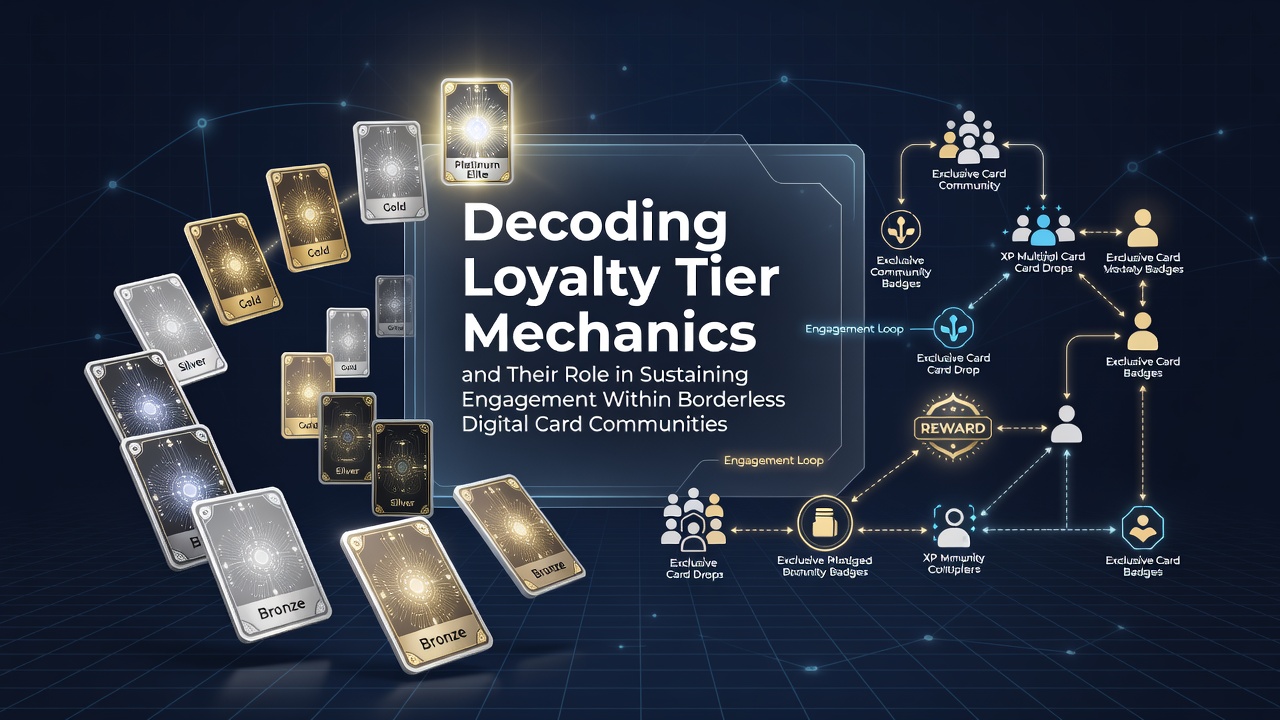
Digital card communities operate across multiple continents and time zones, and loyalty tier mechanics form a core structure that tracks participation while distributing rewards based on accumulated activity. These systems assign participants to levels such as bronze, silver, gold, and platinum according to points earned from games played, tournaments entered, and deposits made, and higher tiers grant access to larger bonus pools, faster withdrawal processing, and invitations to private events.
Points calculation follows standardized formulas on most platforms where each dollar wagered or each hand completed adds a fixed amount to a user's balance, and monthly resets or rolling windows determine whether a player maintains or advances their status. Observers note that this structure encourages consistent logins because dropping below a threshold can result in demotion, which removes certain privileges until the required activity returns.
How Tier Mechanics Operate Across Platforms
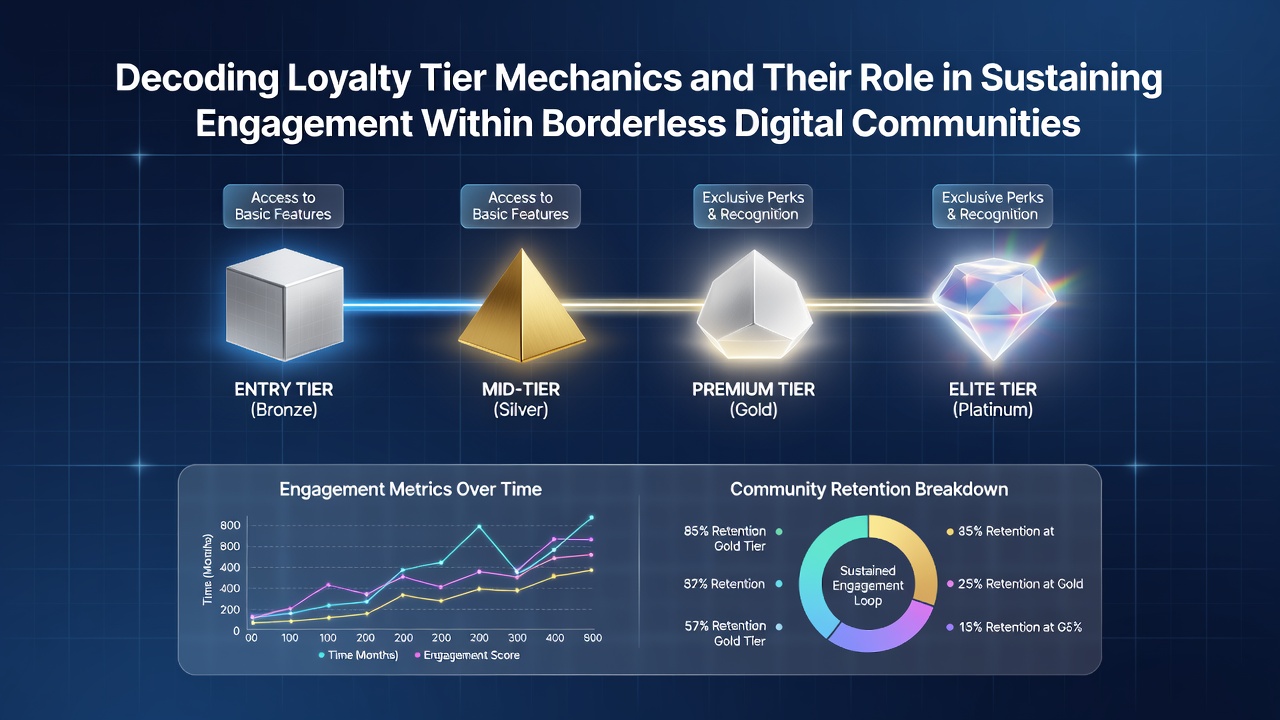
Entry-level tiers require minimal commitment yet introduce users to basic benefits like occasional free entries or small cashback percentages, while mid-level tiers introduce multipliers on points earned and priority seating in popular tables. Top tiers often include dedicated account managers along with travel reimbursements for live events, and platform operators adjust these benefits periodically based on usage analytics collected through August 2026.
Borderless communities add complexity because currency conversion, regional regulations, and differing peak hours influence how quickly users reach thresholds. Platforms address this by offering region-specific point bonuses during local off-peak periods and by maintaining unified global leaderboards that still recognize local play patterns.
Data Patterns in Engagement Metrics
Figures from industry tracking services reveal that users who reach silver tier or above show longer session durations and higher return rates compared with those remaining at entry levels, and similar patterns appear in reports issued by the American Gaming Association. Retention curves flatten once participants enter gold or platinum categories because the perceived value of retained benefits outweighs the effort required to sustain activity.
One study conducted by researchers at the University of Nevada Reno examined activity logs from several international card platforms and found that tier advancement correlated with a measurable increase in weekly participation hours across diverse age groups and geographic regions. The analysis also indicated that seasonal events, such as summer series or holiday promotions, accelerate point accumulation for users near tier thresholds.
Integration With Platform Features
Many operators embed tier status directly into user interfaces so that progress bars and upcoming rewards appear on every dashboard, and this visibility reinforces continued play without requiring separate tracking tools. Notifications about expiring points or upcoming tier reviews arrive via email and in-app messages, timed to coincide with periods when activity typically dips.
Cross-platform partnerships allow points earned on one site to contribute toward tier status on affiliated networks, which expands the effective reach of borderless communities while maintaining a single loyalty identity for each participant. Such integrations require careful synchronization of data across different regulatory jurisdictions, including oversight from bodies like the Alcohol and Gaming Commission of Ontario and the Australian Communications and Media Authority.
Security protocols verify that points originate from legitimate play rather than automated scripts, and periodic audits confirm compliance with fair-play standards across all regions served. These measures help sustain trust in the tier system itself because participants see consistent application of rules regardless of location.
Conclusion
Loyalty tier mechanics continue to shape participation patterns in digital card communities by linking visible rewards to measurable activity, and operators refine these structures in response to usage data collected through 2026. The borderless nature of these platforms requires flexible point systems that accommodate regional differences while preserving a unified progression path, which in turn supports ongoing engagement across time zones and regulatory environments.