Payment Method Evolution Alters Demographics at Digital Poker Platforms Worldwide
Alex Wolf · Aug 11, 2026
Payment Method Evolution Alters Demographics at Digital Poker Platforms Worldwide
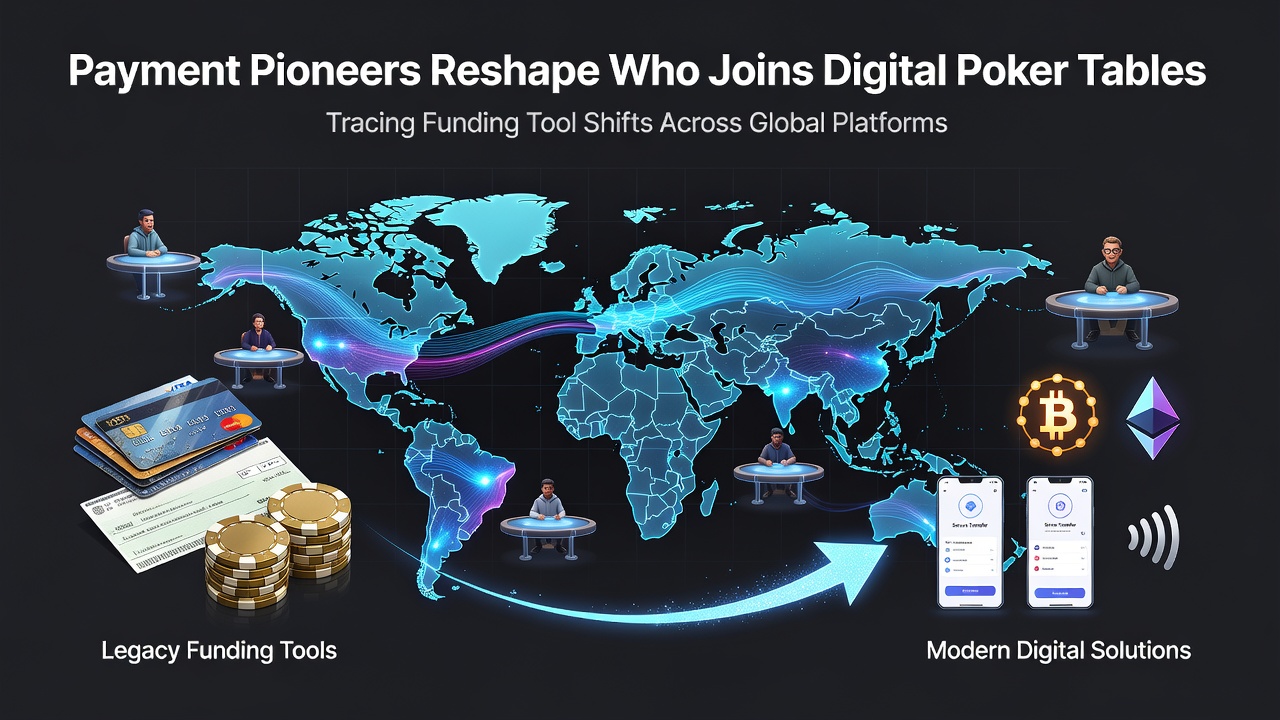
Payment innovations continue reshaping participation patterns on digital poker platforms as operators integrate new funding options across multiple regions, and data from regulatory filings shows expanded reach to previously underserved player groups while established markets adapt to faster transaction methods. Observers tracking these changes note that shifts away from traditional credit card processing toward e-wallets, instant bank transfers, and emerging digital currencies have coincided with measurable increases in user registrations from Asia, Latin America, adn parts of Africa since early 2025.
Regional Funding Tool Transitions
European platforms adopted open banking protocols more rapidly than counterparts elsewhere, with services such as Trustly and Revolut enabling direct account-to-account movements that bypass older card networks, and figures released by the Malta Gaming Authority indicate a 28 percent rise in first-time deposits using these methods during the first half of 2026. Meanwhile platforms serving North American users expanded support for ACH transfers and prepaid vouchers, allowing participation from individuals without premium credit lines, whereas Latin American markets leaned heavily on local systems like Brazil's Pix instant payment network that reduced settlement times from days to seconds.
Operators in Asia Pacific regions introduced hybrid wallets compatible with both regional banks and international processors, and reports compiled by the Australian Gambling Research Centre document corresponding growth in accounts linked to younger demographics who previously encountered barriers at checkout stages. These adjustments occurred alongside broader regulatory updates that clarified licensing requirements for payment service providers, creating clearer pathways for integration without disrupting existing compliance frameworks.
Impact on Player Demographics
Access expanded noticeably among middle-income users once platforms reduced minimum deposit thresholds through micro-transaction tools, and industry association surveys reveal higher retention rates among players utilizing recurring low-value transfers rather than single large deposits. Cryptocurrency options gained traction in jurisdictions where banking restrictions previously limited options, with blockchain-based processors handling volatility through stablecoin pairings that maintain consistent fiat equivalents during play sessions.
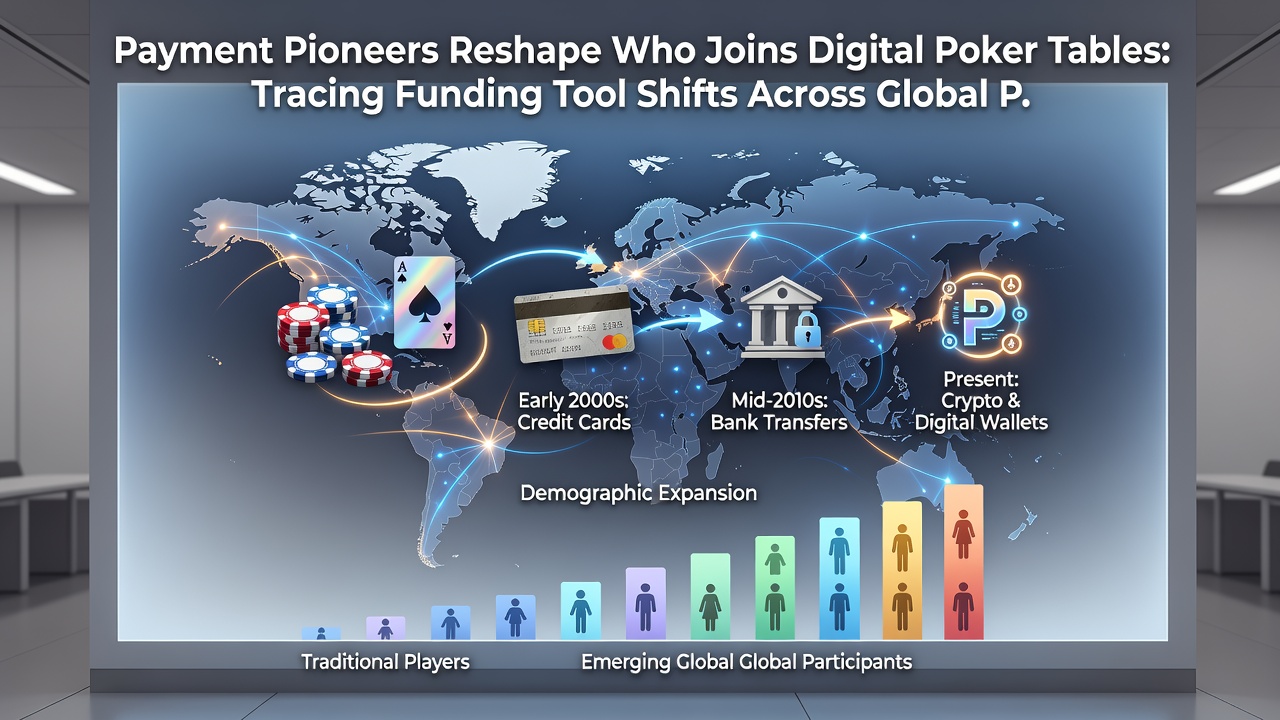
Analysts examining transaction logs from major networks observe that August 2026 saw continued acceleration in mobile-first payment adoption, particularly in markets where smartphone penetration outpaces traditional banking infrastructure. This pattern allowed operators to onboard users in regions with limited branch networks while maintaining verification standards through integrated identity checks embedded directly in the payment flow.
Platform Adaptations and Compliance
Leading digital card rooms updated backend systems to accommodate multiple currencies and instant verification layers, and partnerships with established fintech firms enabled seamless currency conversion that eliminated hidden fees previously cited as deterrents. Data compiled across platforms indicates these modifications aligned with increased session frequency among users who previously limited activity due to processing delays, yet platforms maintained strict adherence to anti-money laundering protocols through automated monitoring tools that flag unusual patterns regardless of funding source.
Academic studies from institutions such as the University of Nevada's International Gaming Institute have examined correlations between payment accessibility and participation diversity, finding that streamlined options correlate with broader geographic distribution of active accounts without corresponding spikes in problem gambling indicators when responsible gaming features remain active. These findings build on earlier work tracking transaction volumes through 2025 and provide baseline metrics for ongoing monitoring into late 2026.
Future Trajectories
Continued rollout of central bank digital currencies in pilot programs across several nations offers potential for further integration, while operators monitor regulatory responses to determine scalability. Payment pioneers continue testing embedded finance features that allow in-app credit lines backed by verified income data, expanding options beyond traditional deposit models.
Global platforms report sustained interest from new user segments once funding friction decreases, and cross-border transaction volumes tracked by industry groups such as the European Gaming and Betting Association demonstrate consistent month-over-month growth through the summer of 2026. These developments reflect ongoing infrastructure investments rather than isolated experiments, positioning payment evolution as a structural driver of platform reach.
Conclusion
Tracing these funding tool shifts reveals a landscape where accessibility improvements coincide with regulatory maturation across continents, and the resulting demographic expansions reshape operational priorities for operators and suppliers alike. Continued documentation of transaction patterns will inform both commercial strategies and oversight mechanisms as digital poker ecosystems mature through the remainder of 2026 and beyond.