Payment Option Evolutions and Their Connection to Tournament Participation in Virtual Card Rooms
Alex Neumann · Aug 4, 2026
Payment Option Evolutions and Their Connection to Tournament Participation in Virtual Card Rooms
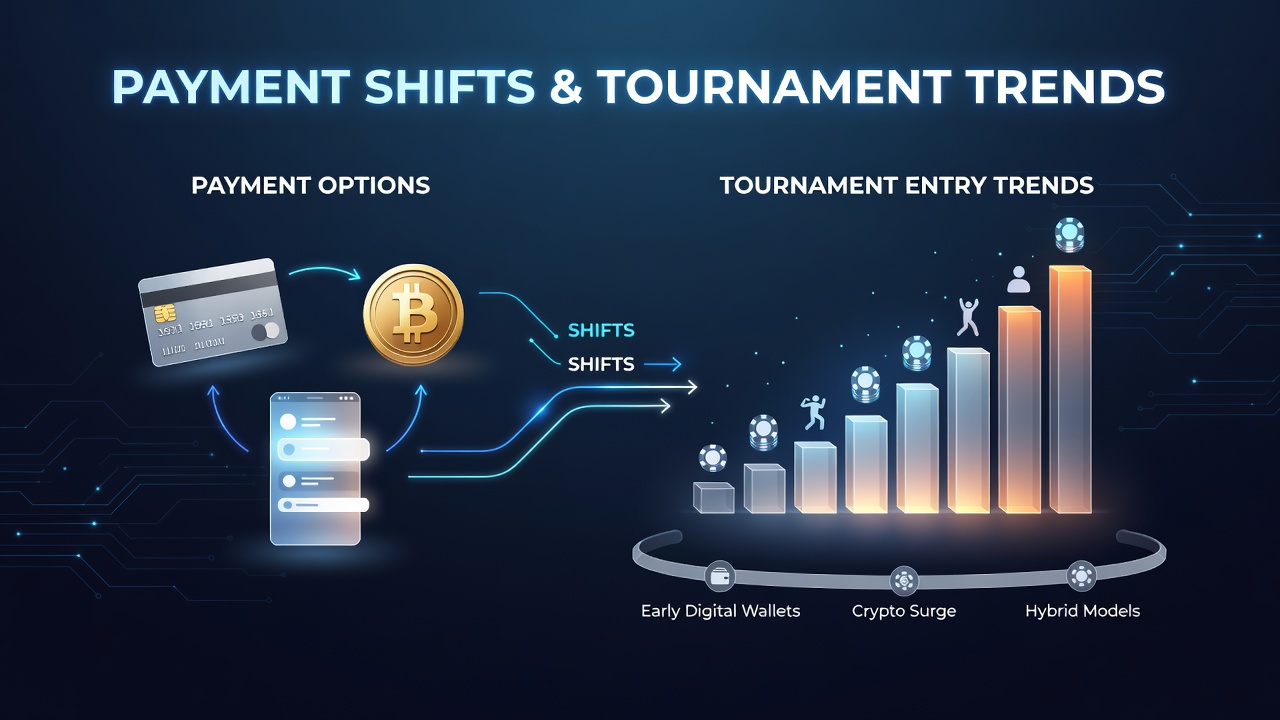
Payment systems within virtual card rooms have undergone notable transformations in recent years, with platforms adopting faster digital wallets, cryptocurrency integrations, and instant bank transfers alongside traditional credit card options, and these changes coincide with measurable shifts in how players join tournaments. Observers note that entry volumes often rise when deposit times shorten and withdrawal processes simplify, while slower methods correlate with reduced participation in multi-table events. Data from regulatory filings indicate that adoption rates for e-wallets increased across major platforms between 2024 and 2026, creating pathways for more frequent small-stakes entries rather than occasional larger commitments.
Key Changes in Accepted Payment Methods
Virtual card rooms expanded their supported options to include blockchain-based transfers and region-specific mobile payment apps, and this expansion occurred alongside regulatory updates in multiple jurisdictions that encouraged faster transaction verification. In August 2026 figures released by the New Jersey Division of Gaming Enforcement showed a 12 percent uptick in tournament-related deposits processed through instant methods compared with the prior year, while credit card usage held steady but declined as a percentage of total volume. Those who've tracked platform announcements point out that several major operators introduced zero-fee crypto deposits during this period, which aligned with spikes in first-time tournament registrations from users in markets where traditional banking delays had previously limited access.
Observed Patterns in Tournament Entry Data
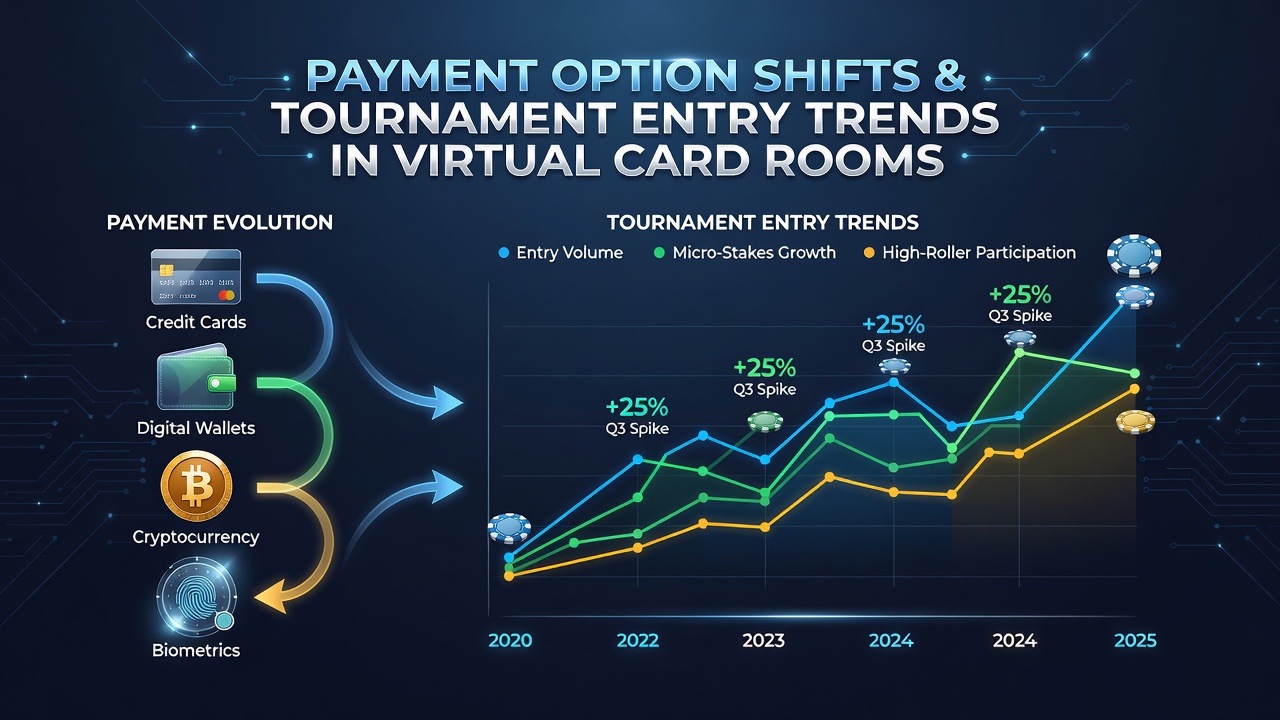
Entry trends reveal that tournaments with buy-ins under $50 experienced the strongest growth when new payment rails became available, and analysts attribute part of this movement to reduced friction at the deposit stage. Research from industry monitoring groups found that daily average entries per active user rose by roughly 8 percent on platforms that prioritized e-wallet and crypto compatibility, whereas sites relying primarily on bank wires saw flatter participation curves. What's interesting is how the timing of these shifts matched broader adoption of mobile-first interfaces, allowing players to complete deposits and register for events within the same session rather than switching between apps or waiting for approvals.
Geographic differences appear clearly in the numbers, with North American and European operators reporting quicker uptake of instant options than some Asian markets where local banking regulations still impose additional verification layers. One study released by the European Gaming and Betting Association highlighted that platforms offering at least three distinct instant payment methods maintained higher retention of recreational players across multi-week tournament series, and the same report noted that average session lengths extended when withdrawal times dropped below 24 hours.
Links Between Deposit Speed and Participation Volume
Shorter processing windows directly influence whether casual participants commit to scheduled events or abandon carts midway through registration, and several card room operators documented this effect through internal analytics shared with regulators. Tournament series that previously drew 20,000 entries per month saw those figures climb toward 25,000 after rolling out expanded e-wallet support, according to aggregated platform data reviewed by independent auditors. But here's the thing: the correlation strengthens most visibly in lower buy-in brackets, where even minor delays can deter impulse entries, whereas high-stakes events show steadier patterns regardless of payment speed because participants tend to plan deposits further in advance.
Additional factors such as promotional bonuses tied to specific payment types also play a role, and data indicates that reload offers processed through crypto channels generated higher conversion rates than equivalent bonuses attached to credit cards in the first half of 2026. Researchers discovered that users who switched to faster methods for initial deposits often maintained elevated entry frequencies across subsequent months, creating a compounding effect on overall tournament traffic.
Regional Regulatory Influences and Platform Responses
Regulatory bodies in different territories have shaped the pace of these payment evolutions, with licensing conditions in places like Ontario and Nevada requiring clearer disclosure of processing times and fees. Platforms responded by standardizing real-time status updates for deposits and withdrawals, which reduced support ticket volume and allowed more resources to focus on tournament operations. External audits confirm that sites maintaining transparent fee structures across payment options experienced steadier growth in recurring tournament entrants, particularly among users who previously cited hidden costs as a barrier.
Case examples include one operator that introduced Apple Pay integration in early 2026 and recorded a 15 percent increase in unique tournament participants within three months, while a competitor that delayed similar updates saw entry numbers remain flat despite identical game offerings. Those who've examined cross-platform comparisons note that the availability of local currency support through digital wallets further amplifies entry trends in emerging markets where currency conversion friction had limited engagement.
Conclusion
Payment option expansions continue to intersect with tournament entry patterns across virtual card rooms, and available data through August 2026 demonstrate consistent associations between faster processing and higher participation volumes in lower to mid-stakes events. As platforms refine their transaction ecosystems, the measurable outcomes remain tied to the speed, cost, and geographic accessibility of each method rather than isolated marketing efforts. Future reporting from regulatory sources and industry associations will likely clarify whether these trends persist or evolve with new technologies entering the space.