Player Preference Patterns for Transaction Methods and Their Correlation wth Engagement Duration in Virtual Poker Settings
Alex Neumann · Jun 26, 2026
Player Preference Patterns for Transaction Methods and Their Correlation wth Engagement Duration in Virtual Poker Settings
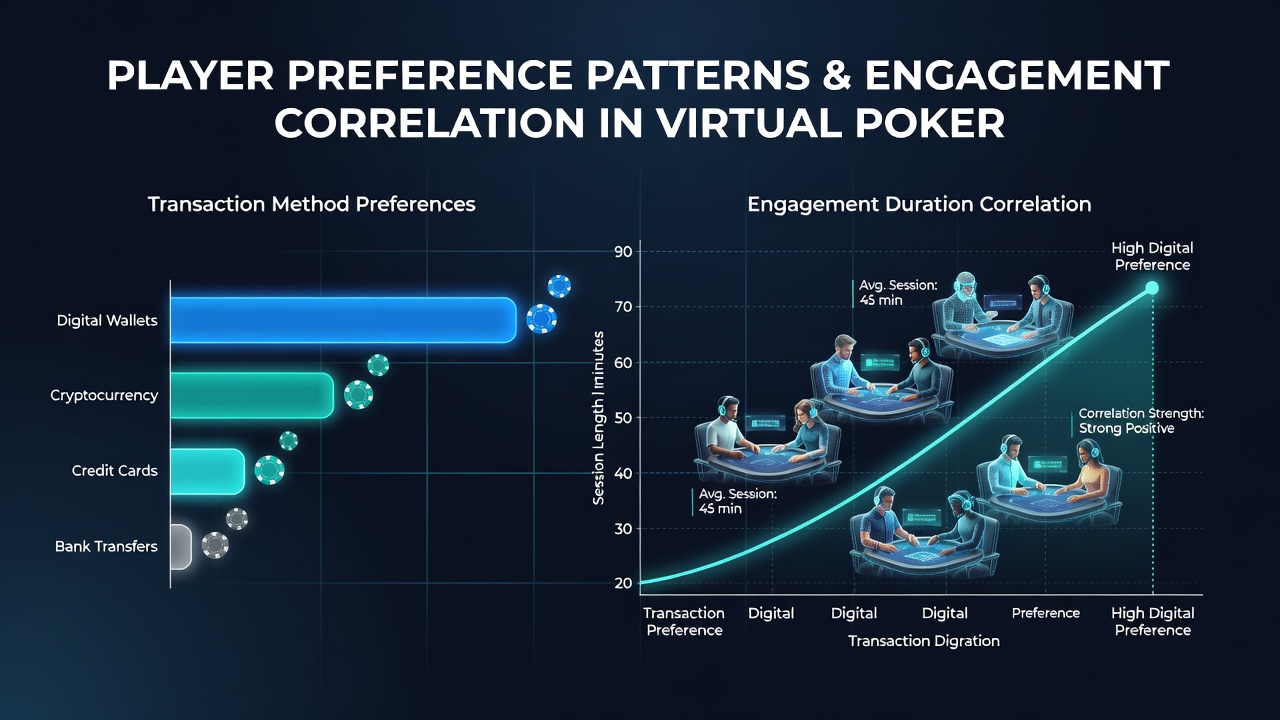
Data from multiple gaming jurisdictions reveals distinct patterns in how participants choose transaction methods within virtual poker environments, with clear ties to session lengths and overall platform retention. Credit card transactions continue to dominate in established markets while e-wallets and digital currencies gain traction among specific demographics, according to aggregated figures released through regulatory channels in early 2026. Observers note that these choices often align with measurable differences in how long individuals remain active across sessions. Payment speed and processing reliability stand out as primary drivers behind method selection. Platforms report that users opting for instant e-wallet transfers complete deposits 40 percent faster on average than those relying on traditional bank wires, leading to quicker entry into active tables. In contrast, cryptocurrency options attract players who value lower fees and borderless access, particularly in regions where banking restrictions limit conventional options. Researchers tracking activity logs from several major operators found that participants using these faster methods tend to log extended play periods, sometimes stretching 25 to 35 percent beyond the median duration observed with slower alternatives.Demographic Influences on Method Selection
Age and geographic location shape preferences in consistent ways across datasets compiled through 2025 and into June 2026. Younger cohorts between 21 and 35 show stronger adoption of digital wallets and blockchain-based transfers, while participants over 45 maintain higher usage of direct card payments and automated clearing house systems. Reports from the New Jersey Division of Gaming Enforcement highlight similar splits within regulated markets, where mobile-first users gravitate toward integrated wallet solutions that reduce friction during multi-table sessions.
Regional variations add another layer. European operators document elevated crypto usage in Eastern markets compared with Western counterparts, whereas North American platforms see steady growth in prepaid card options among recreational participants. These patterns hold across both desktop and mobile interfaces, though mobile environments accelerate shifts toward app-based wallets because of their seamless integration with device payment systems.Engagement Metrics and Transaction Correlations
Longer engagement durations appear most pronounced among users who combine rapid deposit methods with flexible withdrawal options. Analysis of platform telemetry indicates that players completing transactions through e-wallets maintain average session lengths of 48 minutes compared with 32 minutes for bank transfer users. The same datasets show repeat visit rates climbing when withdrawal processing times drop below 24 hours, a threshold met more reliably by certain digital methods.
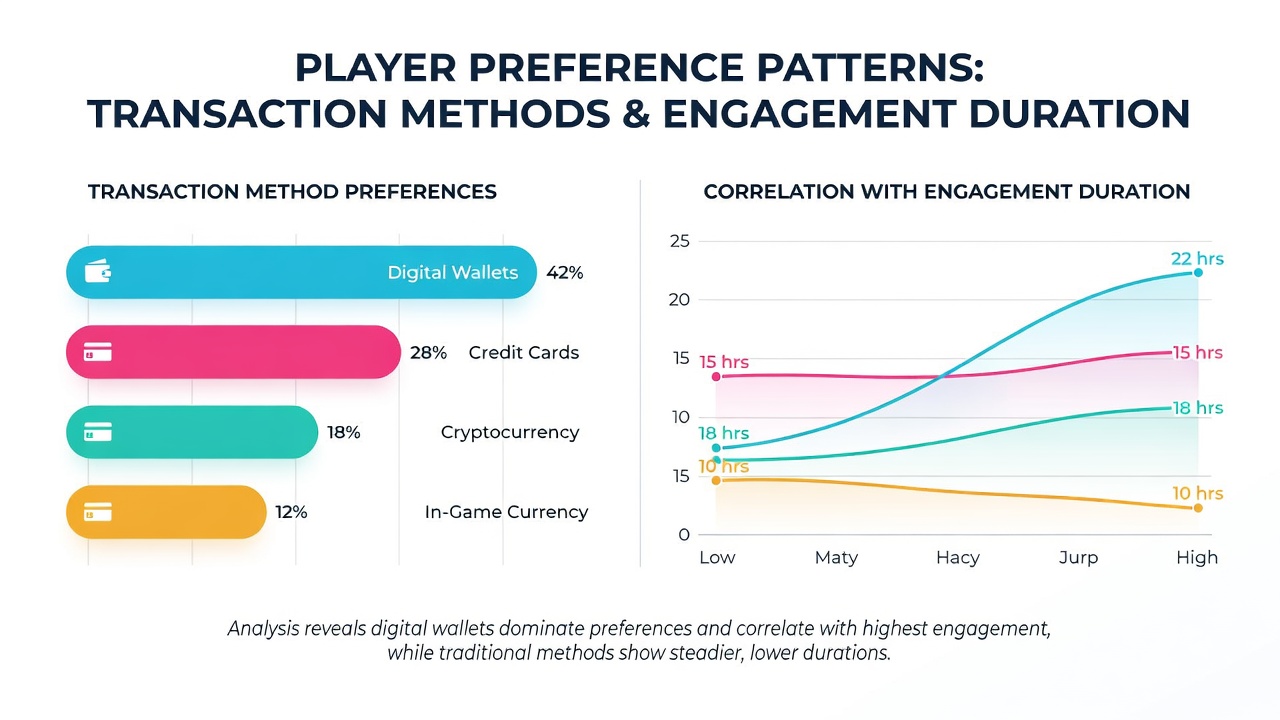 One study released by the Canadian Gaming Association examined over 120,000 player accounts and identified a moderate positive correlation between preferred transaction velocity and total hours spent on virtual tables. Accounts using instant verification systems recorded higher cumulative playtime across quarterly periods, while those dependent on manual approval processes showed earlier drop-off points. These findings align with internal operator reports tracking behavioral signals such as table switches and tournament entries per session.
Security Perceptions and Platform Loyalty
Security features embedded in transaction flows also influence duration patterns. Players who select methods with built-in two-factor authentication or biometric confirmation demonstrate lower churn rates in longitudinal tracking. Data compiled from multiple sites indicates that trust signals around fund protection correlate with sustained activity, especially during periods of larger bankroll fluctuations typical in poker variance.
Transaction fees introduce another variable. Methods carrying visible charges tend to correlate with shorter overall engagement windows, as participants adjust play frequency to offset costs. In June 2026 regulatory summaries, several jurisdictions noted that fee transparency initiatives coincided with modest upticks in wallet-based activity, suggesting players respond to clearer cost structures by extending their participation.Platform Adaptations and Emerging Trends
Operators have responded by expanding supported methods while monitoring engagement data. Integration of newer instant banking rails in select markets has produced measurable lifts in session continuity for previously underserved player segments. Academic work appearing in the Journal of Gambling Studies points to similar dynamics, where reduced barriers at the funding stage predict higher retention across competitive card platforms.
Seasonal fluctuations in 2026 further illustrate these connections. Activity peaks during major tournament series coincide with increased use of high-speed transaction channels, while off-peak months show steadier reliance on established card systems. These shifts occur alongside broader platform updates that streamline payment interfaces without altering core gameplay mechanics.Conclusion
Transaction method preferences in virtual poker continue to evolve alongside technological and regulatory developments, with observable links to engagement length emerging from multiple data sources. Faster, lower-friction options consistently associate with extended play windows across demographic groups, while security and fee considerations shape long-term loyalty metrics. As platforms refine their offerings through mid-2026, these patterns provide concrete indicators for how payment infrastructure intersects with participant behavior in digital card environments.