Regional Variations in Preferred Transaction Methods for Digital Poker Participation
Alex Wolf · Jul 26, 2026
Regional Variations in Preferred Transaction Methods for Digital Poker Participation
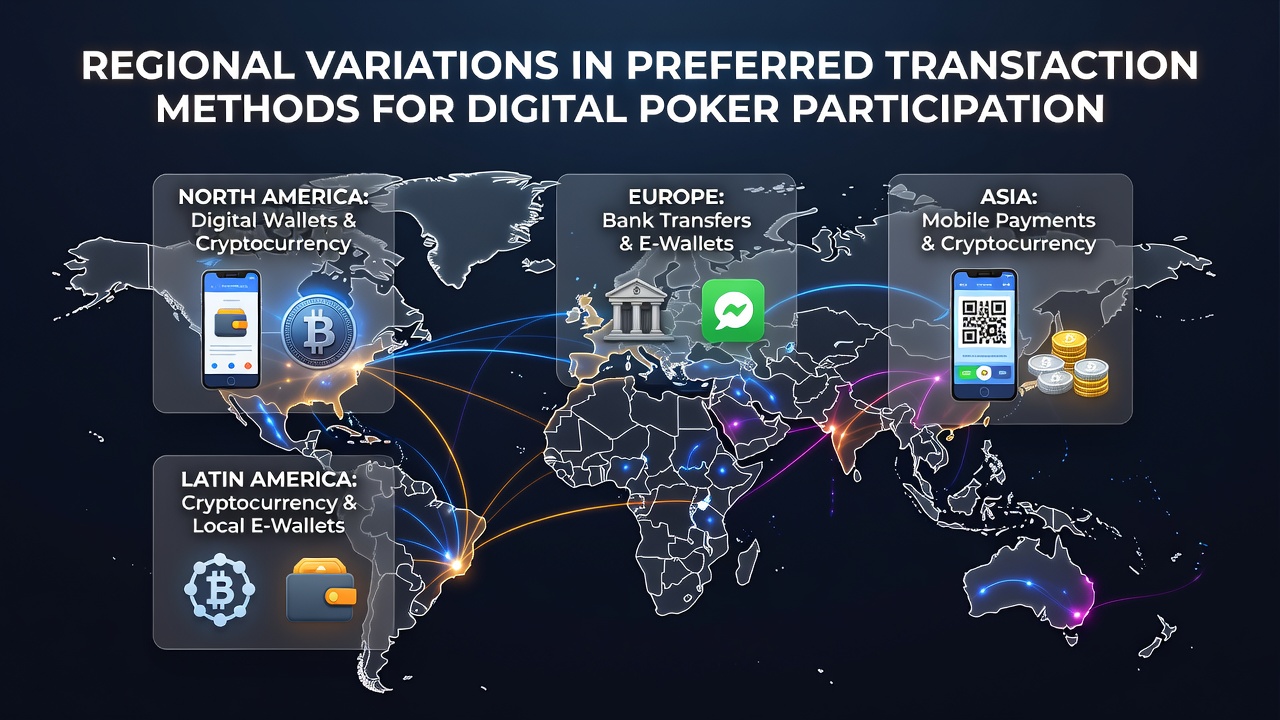
Digital poker platforms show clear regional differences in how participants complete transactions, and these patterns reflect local regulations, banking infrastructure, and consumer habits that have developed over the past decade. Data compiled through mid-2026 indicates that players in North America lean toward established credit card networks and digital wallets while European users favor specialized e-wallets and bank transfers that align with stricter financial oversight. Observers note that these choices affect everything from deposit speeds to withdrawal processing times, which in turn shape participation rates across different markets.
North American Preferences and Regulatory Influences
Participants in the United States and Canada rely heavily on credit and debit cards issued by major networks, yet state-by-state licensing rules create additional layers that operators must navigate before processing funds. Recent figures from the American Gaming Association reveal that card-based transactions account for over 55 percent of deposits in regulated markets through July 2026, with e-wallets such as PayPal and Venmo capturing another 30 percent in jurisdictions where they receive approval. Bank transfers serve as a secondary option in states like Pennsylvania and New Jersey, where operators integrate ACH systems to handle larger sums that exceed typical card limits. Canadian players show similar patterns, though many provinces route transactions through provincially operated payment gateways that prioritize security certifications over speed.
European Market Trends and E-Wallet Dominance
European digital poker activity centers on e-wallets and prepaid solutions that comply with anti-money laundering directives enforced by national authorities. Skrill and Neteller remain the most common choices across the United Kingdom, Germany, and the Netherlands because they separate gaming funds from primary bank accounts and offer instant processing for both deposits and withdrawals. Bank transfers through SEPA systems handle a growing share of larger transactions, especially in markets where regulators require full traceability. Research compiled by the European Gaming and Betting Association shows that mobile payment apps linked to local banking apps now represent roughly 22 percent of activity in Scandinavia and the Baltic states, where digital identity verification streamlines onboarding. These methods reduce friction for frequent players who move smaller amounts multiple times per week.
Asia-Pacific and Emerging Payment Ecosystems
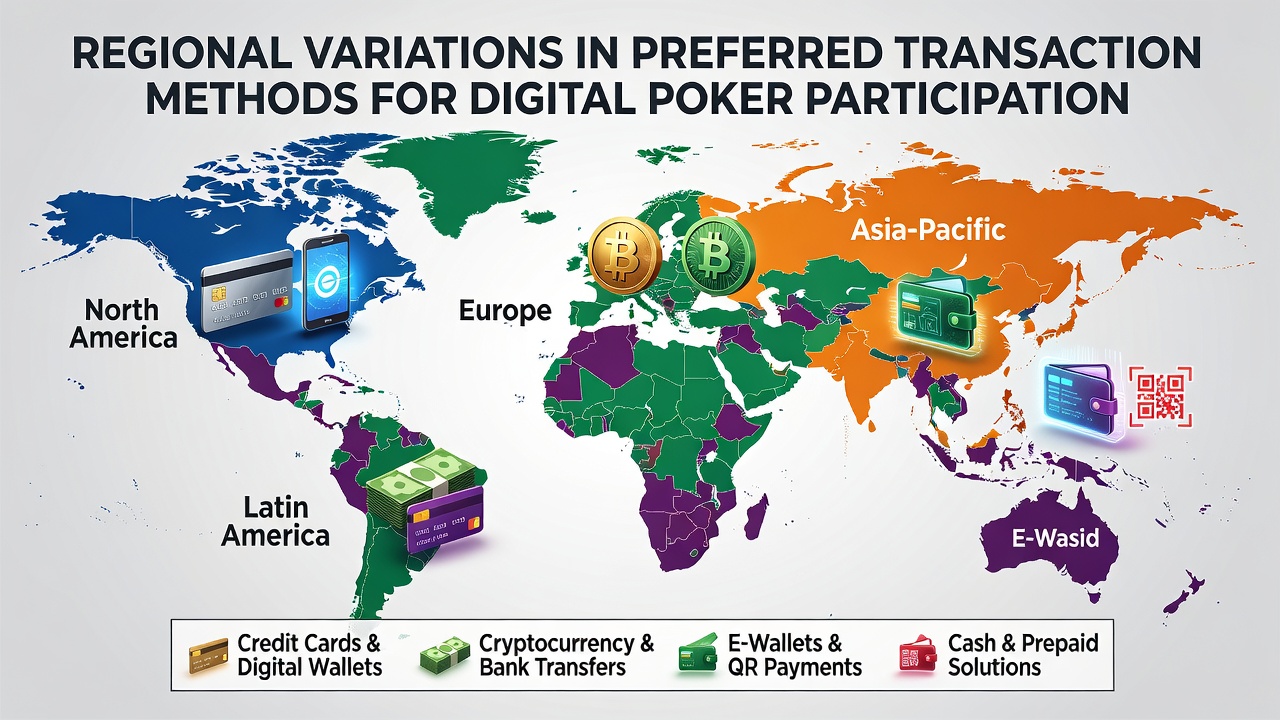
Markets across Asia-Pacific demonstrate greater reliance on local mobile payment systems and cryptocurrency options where regulations permit. In Australia, POLi and BPAY services dominate because they connect directly to major banks without requiring additional accounts, and operators report that these methods handle nearly 60 percent of deposits during peak tournament seasons. Japanese and South Korean participants often use convenience store payment codes or carrier billing tied to mobile phones, which align with everyday financial routines and avoid international card networks that carry higher fees. Several Southeast Asian jurisdictions have seen crypto-based transactions increase steadily through 2026, particularly in regions where traditional banking channels impose delays or restrictions on gaming-related transfers. Operators track these shifts through internal analytics that compare average transaction values and completion rates by method and geography.
Latin American and African Developments
Players in Latin America and parts of Africa increasingly adopt digital wallets tied to local telecommunications providers because these services reach populations with limited access to traditional banking. Brazil and Mexico show rising use of Pix and similar instant transfer systems that complete deposits within seconds, while South African participants favor voucher-based methods that convert cash at retail outlets into platform credits. Data collected by regional industry groups indicates that these localized solutions help maintain consistent participation even when cross-border card processing faces occasional blocks. Operators adapt their platforms to support multiple currencies and verification layers that match each market's documentation standards, which reduces declined transactions and improves retention.
Impact on Platform Operations and Player Behavior
Transaction method preferences influence more than convenience; they affect how platforms design promotions, set minimum deposit thresholds, and manage risk controls. Markets dominated by e-wallets experience faster session starts but sometimes encounter higher chargeback rates when users dispute charges after losing sessions. Card-heavy regions require stronger fraud detection because stolen card details appear more frequently in high-volume tournaments. Operators respond by offering incentives such as deposit bonuses tied to specific methods, which encourage users to select options that reduce processing costs for the platform. These adjustments appear in real-time dashboards that monitor conversion rates by region and payment type, allowing teams to refine interfaces without disrupting overall access.
Conclusion
Regional variations in transaction methods for digital poker continue to evolve alongside changes in banking technology and regulatory frameworks. Platforms that accommodate multiple localized options maintain broader reach while meeting compliance requirements that differ from one jurisdiction to the next. Continued monitoring of adoption rates through 2026 and beyond will show whether emerging mobile and crypto solutions expand further or remain concentrated in specific markets where infrastructure supports rapid settlement.