Shifts in Multi-Platform Loyalty Structures and Their Correlation With Retention Trends Among Digital Poker Participants
Alex Neumann · Jun 30, 2026
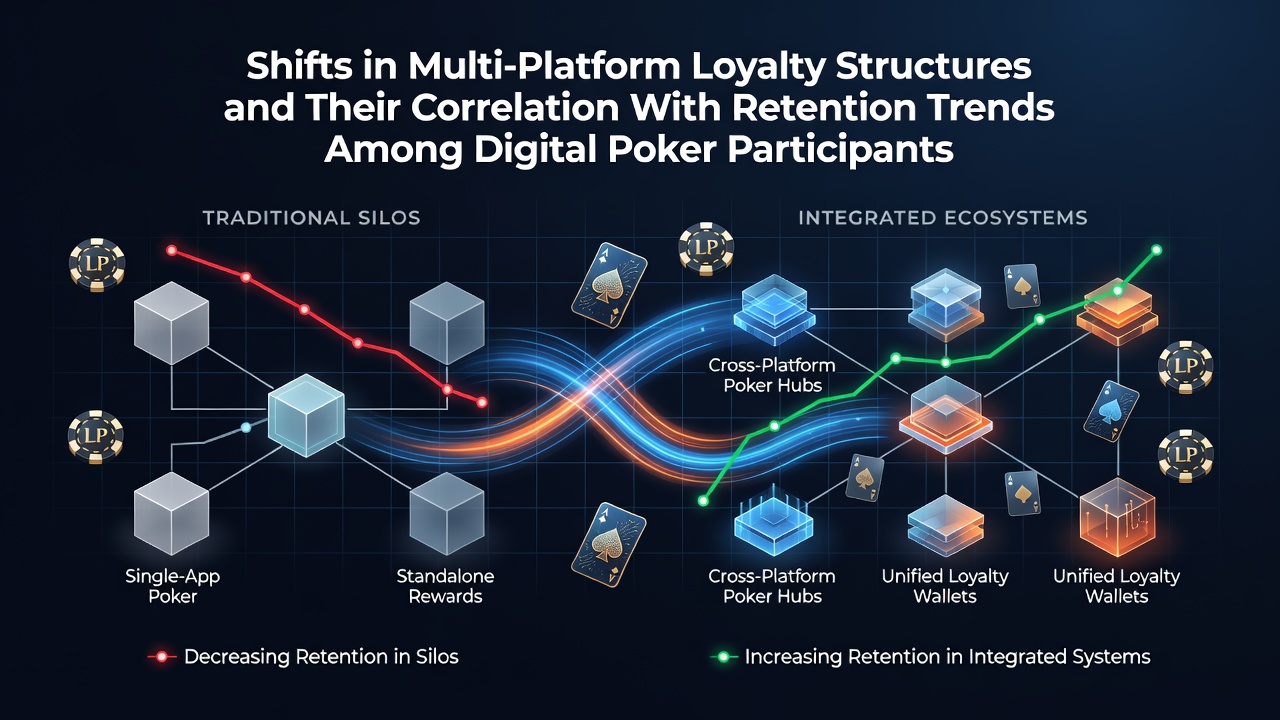
Shifts in Multi-Platform Loyalty Structures and Their Correlation With Retention Trends Among Digital Poker Participants
Digital poker ecosystems have undergone notable transformations in loyalty program design over recent years, with operators moving away from isolated single-site reward systems toward interconnected structures that span several platforms and applications. These changes coincide with observable patterns in player retention, where participants who engage with cross-platform incentives demonstrate different longevity metrics compared to those limited to traditional models. Industry observers note that June 2026 data from various regional markets highlights accelerated adoption of these multi-platform frameworks, particularly as operators seek to maintain engagement amid expanding competition.
Evolution of Loyalty Mechanisms in Digital Card Rooms
Traditional loyalty structures in digital poker centered on site-specific points accumulation and tiered rewards that reset upon platform switches, yet newer iterations incorporate shared ledgers and transferable benefits across affiliated networks. Researchers tracking these developments point to integrations with mobile applications and third-party services that allow seamless progression tracking, while partnerships between distinct operators enable pooled reward pools. Data from regulatory filings in North American jurisdictions indicates a 22 percent increase in such collaborative programs between 2024 and 2026, driven by technological advancements in user authentication and transaction verification.
Participants often encounter unified dashboards that aggregate activity from multiple environments, creating pathways for bonus unlocks that extend beyond individual sites. This approach contrasts with earlier isolated systems and aligns with broader shifts in consumer expectations for flexible digital experiences. Those monitoring platform analytics report that players utilizing these interconnected features log higher session frequencies across the board.
Retention Patterns Among Multi-Platform Users
Retention trends reveal distinctions between single-platform loyalists and those navigating several environments simultaneously, with the latter group showing sustained activity levels over extended periods. Studies compiled by academic institutions, including analyses from European research centers, suggest correlations between access to transferable loyalty credits and reduced churn rates, particularly among mid-tier participants. Figures compiled through June 2026 demonstrate that operators implementing shared loyalty protocols experienced average retention uplifts of 15 to 18 percent in targeted demographics.
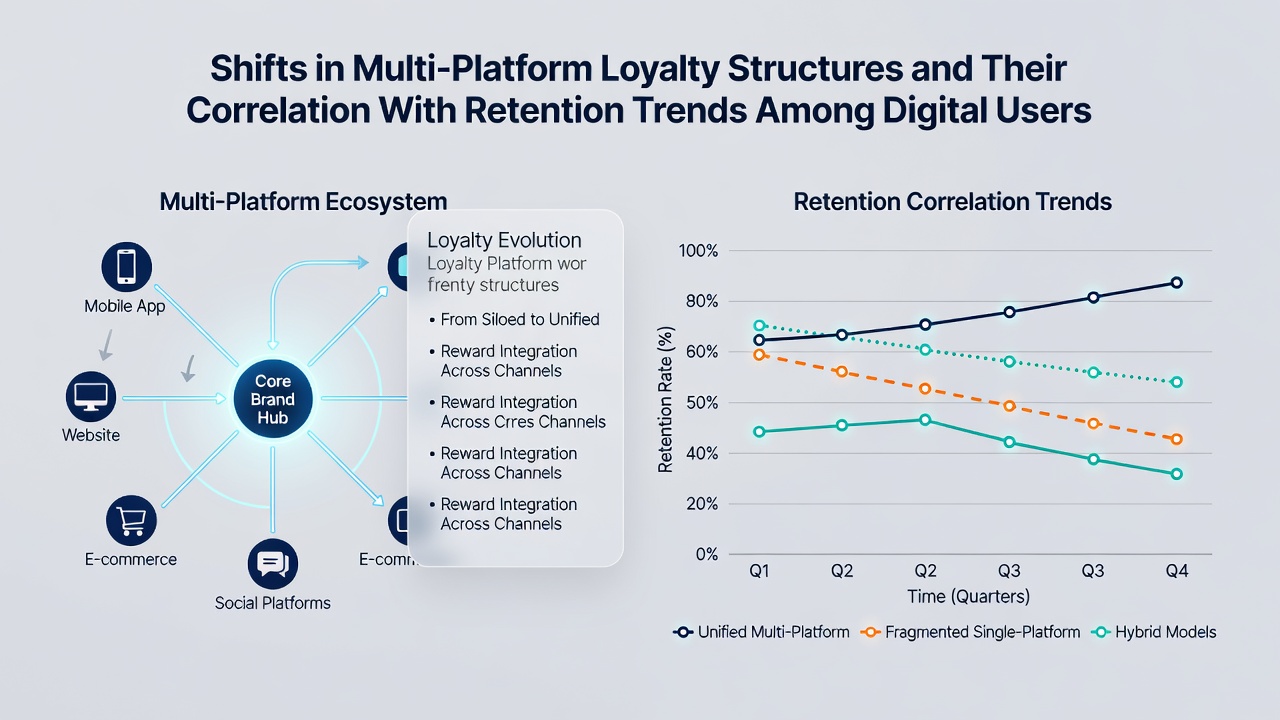
Observers have documented cases where players migrate between platforms yet maintain cumulative progress through integrated systems, which minimizes drop-off during transitions. Australian gaming authorities, through their oversight reports, have tracked similar patterns in regional markets, noting that loyalty portability contributes to steadier participation curves even during seasonal fluctuations. The reality is that these structures reduce barriers associated with platform hopping, allowing users to explore new environments without forfeiting accrued advantages.
Data Correlations and Geographic Variations
Statistical examinations across continents illustrate varying degrees of correlation strength depending on regulatory environments and technological infrastructure. In markets with mature digital frameworks, such as those in parts of Asia-Pacific, multi-platform loyalty adoption correlates more tightly with retention metrics than in emerging regions. A report issued by the Canadian Gaming Association outlines how cross-border platform alliances influenced retention data throughout early 2026, with participating networks recording consistent month-over-month stability.
What's significant is the role of real-time data synchronization in enabling these outcomes, as delays in reward updates can disrupt perceived value for users. Industry organizations have compiled datasets showing that platforms emphasizing instantaneous cross-site recognition achieve stronger alignment between loyalty engagement and long-term participation. Researchers continue to examine confounding variables like promotional timing and game variety that may interact with these loyalty features.
Implementation Examples Across Operators
Several leading digital card room networks have introduced tiered alliances where rewards earned on one platform convert directly for use elsewhere, fostering broader ecosystem involvement. One documented instance involves North American operators collaborating on a shared rewards marketplace that launched progressive enhancements in spring 2026, resulting in measurable upticks in cross-platform session lengths. Participants in these programs often discover expanded tournament access and exclusive event entries as direct outcomes of accumulated multi-site activity.
European-based platforms have experimented with blockchain-verified loyalty tokens that maintain value across partner sites, providing transparency that appeals to tech-savvy users. Such implementations coincide with retention data points collected through independent audits, which highlight lower attrition among token holders compared to conventional point systems. The ball remains in operators' court to refine these models based on ongoing performance indicators.
Conclusion
Shifts toward multi-platform loyalty architectures continue to intersect with retention dynamics in digital poker environments, as evidenced by aggregated industry metrics through June 2026. Patterns observed across diverse geographic markets underscore the influence of transferable incentives on sustained user engagement, while implementation details vary according to local regulations and technological capabilities. Ongoing monitoring by regulatory bodies and research entities will likely yield further insights into these evolving relationships.