The Emergence of Synchronized Loyalty Ecosystems Across Interconnected Card Platforms
Alex Neumann · Jun 23, 2026
The Emergence of Synchronized Loyalty Ecosystems Across Interconnected Card Platforms
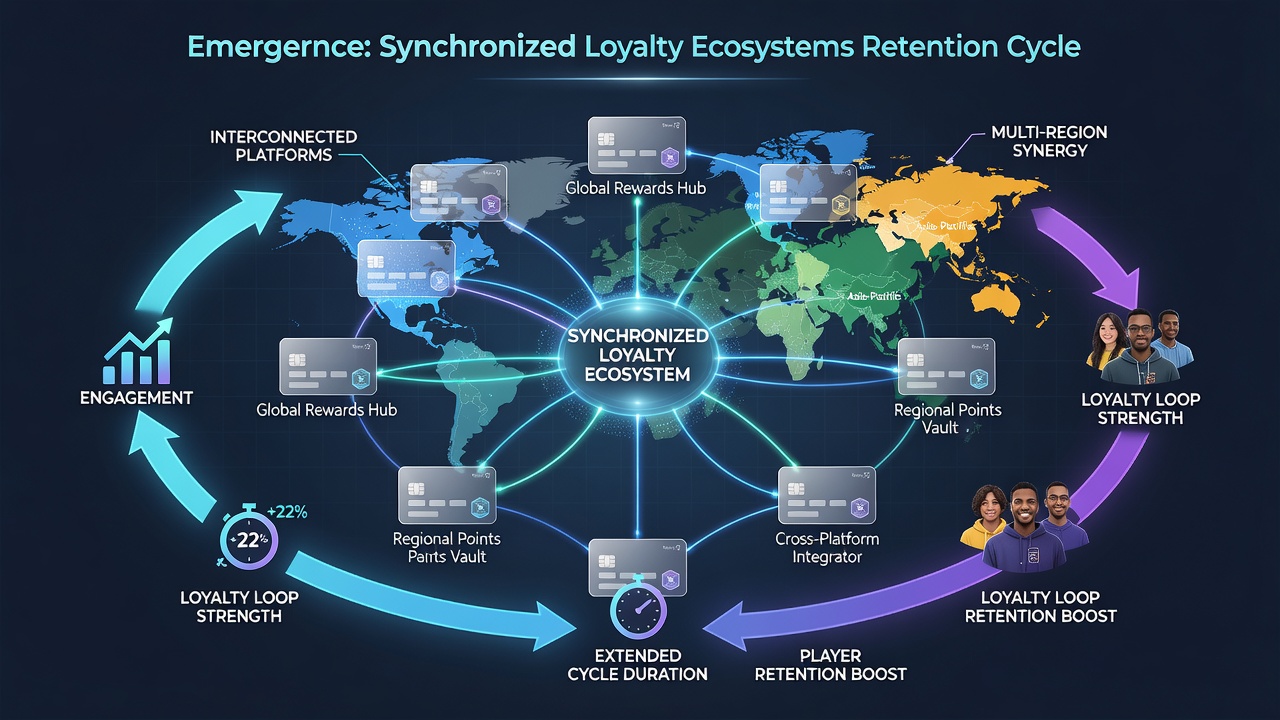
Digital card platforms have begun linking their loyalty programs into unified systems that operate across separate operators and geographic markets, and this shift has produced measurable changes in how players maintain engagement over time. Data from industry tracking services shows participation rates climbing steadily through the first half of 2026, with synchronized rewards appearing in both North American and European networks by June of that year.
Platform Integration Patterns
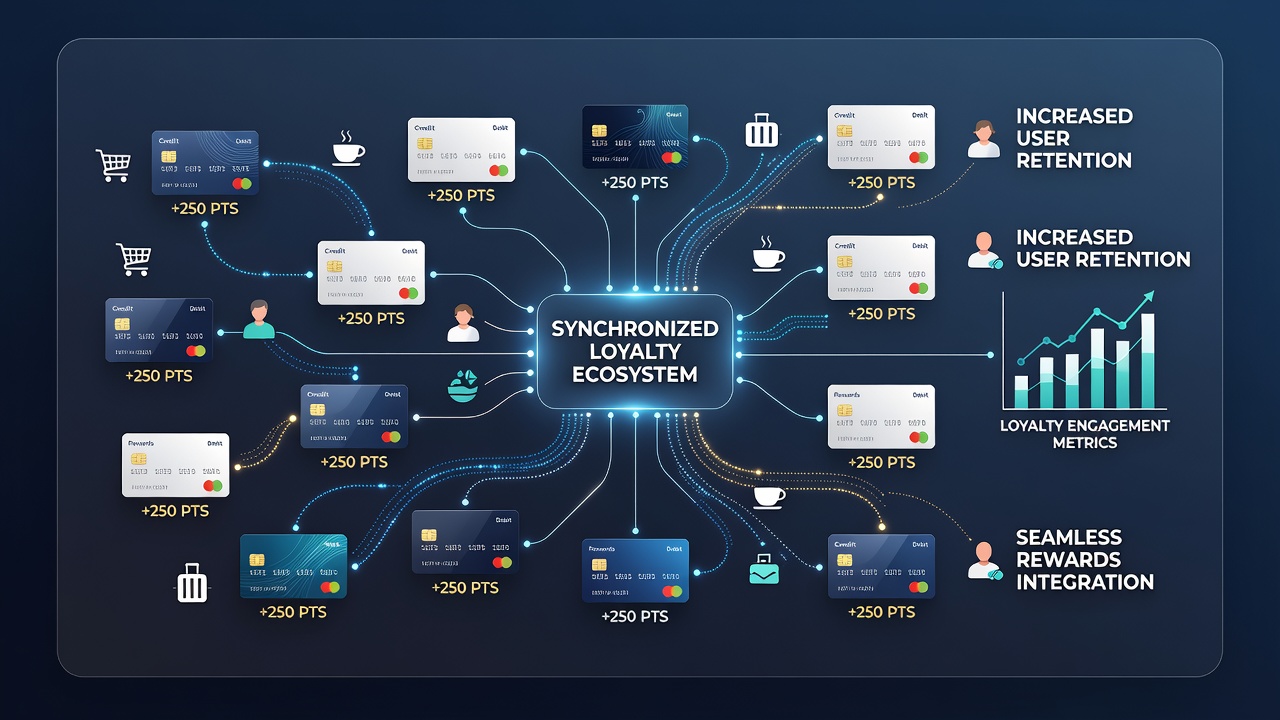
Operators connect their systems through shared application programming interfaces that transfer points, tier status, and redemption options without requiring players to manage separate accounts. Research conducted by the International Gaming Institute indicates that these connections reduce account fragmentation, which previously led to dormant profiles within three to six months of initial activity. Players move between platforms while retaining accumulated benefits, and operators record higher cross-site session frequencies as a result.
European networks adopted these linkages earlier than most regions, yet North American sites accelerated integration after regulatory updates in several states during late 2025. The result is a growing web of partnerships that spans multiple jurisdictions, allowing point balances to remain active across borders where local rules permit data sharing.
Retention Cycle Measurements
Retention cycles lengthen when loyalty benefits travel with the player rather than resetting at each new platform. Figures released by the Canadian Gaming Association reveal that interconnected accounts show average active periods extending by 18 to 24 percent compared with isolated programs. Players receive consistent milestone rewards and tier upgrades regardless of which connected site they use on a given day, and this continuity correlates with fewer complete drop-offs in monthly activity logs.
Multi-region player bases experience the most pronounced effects because time zone differences and local event calendars no longer force complete resets in progress. A player based in one continent can maintain streak bonuses while participating in tournaments hosted in another, and operators track these patterns through centralized dashboards that update in real time.
Regional Variations and Data Trends
North American markets report stronger retention gains in states with mature online frameworks, while certain Asian operators see slower uptake due to varying data transfer regulations. Yet the overall pattern holds that synchronized ecosystems stabilize participation rates even during seasonal dips. Reports compiled through mid-2026 show that players enrolled in linked programs return to activity within shorter windows after breaks, and the average number of active days per quarter rises across tracked cohorts.
Those who monitor these systems note that reward structures must remain balanced to avoid inflating costs for operators while still delivering value that keeps accounts engaged. Data sets collected from multiple platforms demonstrate that redemption rates for cross-site perks track closely with overall session volume, suggesting the model reinforces rather than replaces core gameplay incentives.
Operational Adjustments by Operators
Platform teams adjust algorithms that calculate point earning rates and bonus eligibility to account for traffic flowing between connected sites. This prevents any single operator from bearing disproportionate reward payouts while still preserving the perception of seamless benefits for users. Technical documentation from several major networks indicates that fraud detection layers now incorporate shared transaction histories, which helps maintain integrity across the expanded ecosystem.
Marketing departments coordinate campaigns that highlight unified progress tracking, and these messages appear in localized formats that respect regional preferences. The coordination reduces redundant promotions and focuses resources on features that demonstrably extend active cycles according to internal metrics.
Conclusion
Interconnected loyalty systems continue to expand as more operators finalize partnership agreements and regulatory environments stabilize around data sharing standards. Retention cycles in multi-region player bases reflect the cumulative effect of these linkages through sustained activity levels and reduced account dormancy. Observers tracking the sector into the second half of 2026 will likely see further refinements in how these ecosystems allocate rewards and measure long-term engagement across borders.