Virtual Reality Tools Enhancing Sensory Immersion in Global Digital Card Platforms
Alex Wolf · Jul 12, 2026
Virtual Reality Tools Enhancing Sensory Immersion in Global Digital Card Platforms
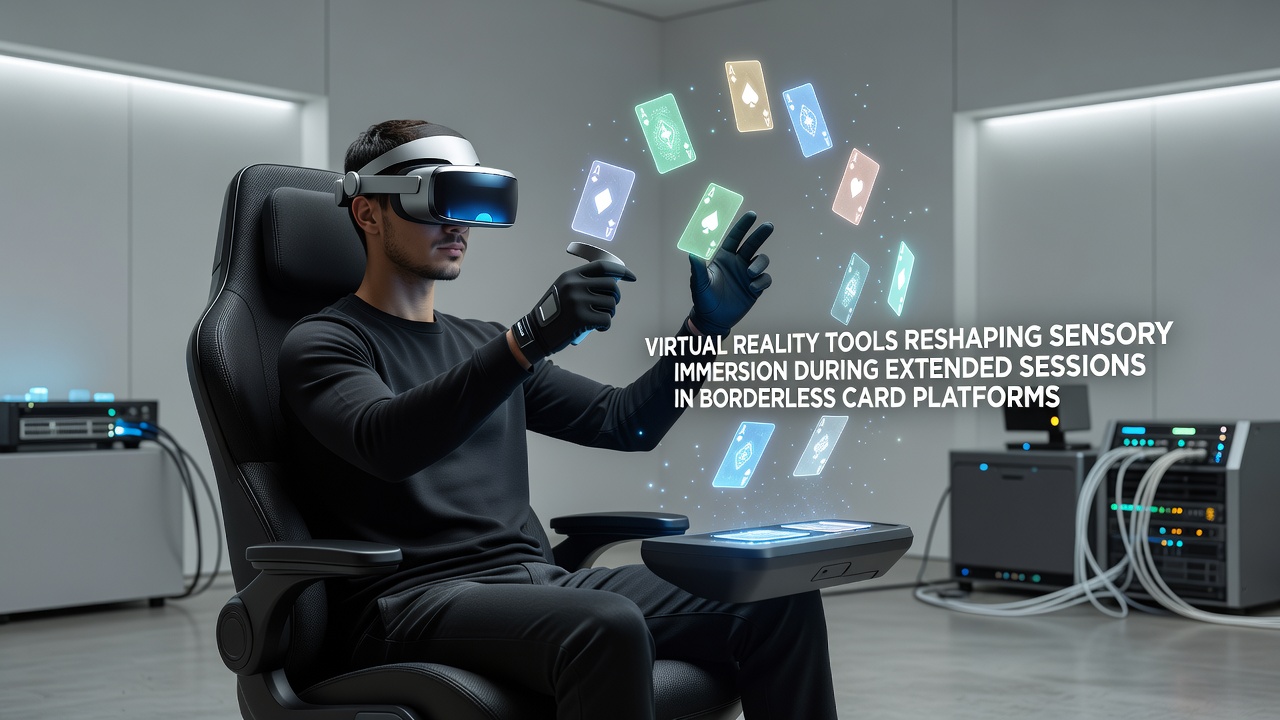
Virtual reality tools have begun integrating into borderless card platforms, where users access digital card environments from multiple continents without geographic restrictions. These systems combine head-mounted displays, spatial audio arrays, and haptic feedback devices to simulate physical presence during card interactions. Data from industry deployments shows increased session durations among participants who adopt these setups compared to standard screen-based interfaces.
Core Components of VR Integration
Platforms deploy VR headsets that render three-dimensional card tables complete with environmental details such as lighting variations and background elements. Spatial audio processes replicate dealer voices and chip sounds from specific directions while haptic gloves deliver resistance feedback when players manipulate virtual cards or place wagers. Observers note that these elements combine to create a layered sensory experience that extends beyond visual cues alone.
Borderless platforms synchronize these VR layers across time zones through cloud-based rendering farms. Participants in one region join sessions with others located elsewhere, and the system adjusts latency to maintain consistent interaction timing. Figures from platform operators indicate that VR-equipped sessions in July 2026 recorded average lengths exceeding traditional online formats by measurable margins.
Sensory Layering During Prolonged Use
Extended sessions benefit from adaptive sensory modulation that adjusts intensity based on user input patterns. Visual rendering engines scale detail levels to prevent overload while maintaining card clarity, and audio systems filter ambient noise to focus on game-relevant sounds. Haptic systems provide subtle pulses that correspond to card draws or bet placements, creating a continuous tactile thread throughout the session.
Research indicates that users maintain attention longer when multiple sensory channels operate in coordination. One study from the University of Sydney tracked participants across multi-hour sessions and recorded steadier engagement metrics when VR tools supplied synchronized feedback. The platform architecture allows individual calibration so each participant receives tailored sensory input without disrupting shared table dynamics.
Global Accessibility and Platform Scaling
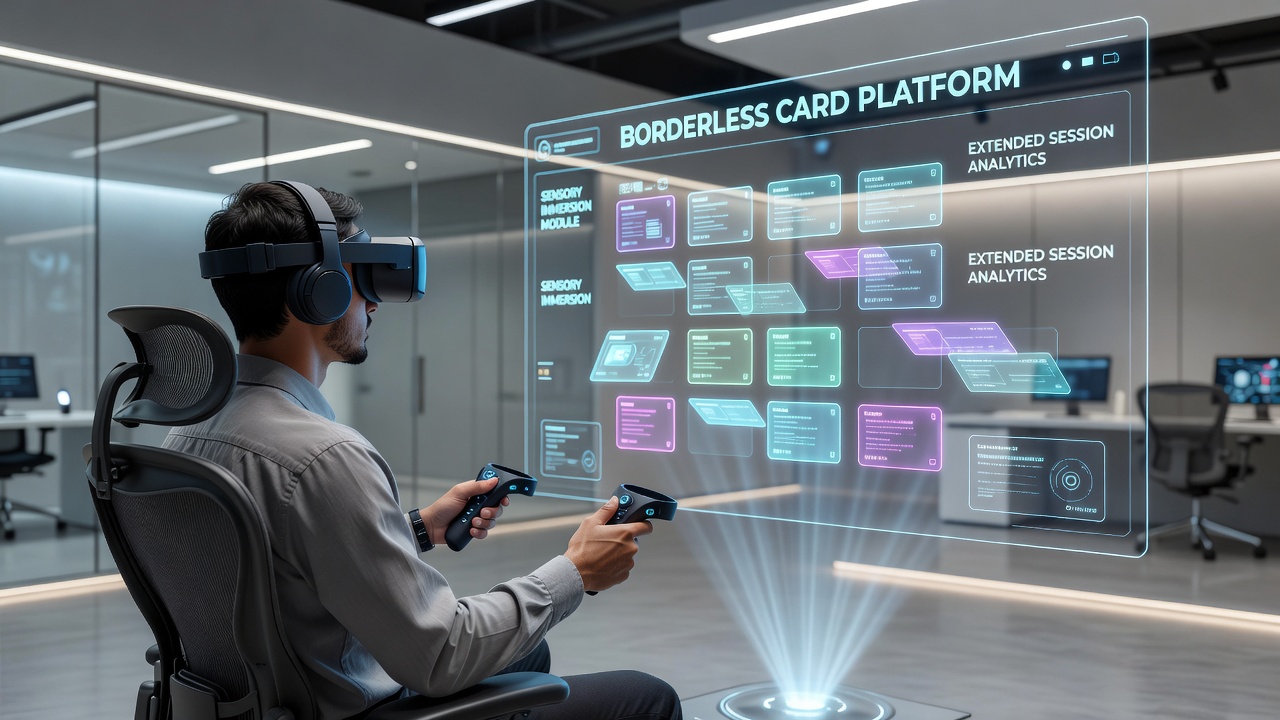
Borderless card platforms leverage VR to remove device and location barriers through standardized application programming interfaces. Users connect from standard consumer headsets while the backend manages cross-region data routing and compliance checks. Industry reports from the Australian Interactive Gambling Association document rising adoption rates among operators serving international user bases.
Network infrastructure supports simultaneous VR sessions across different regulatory jurisdictions. Servers located in multiple regions handle local data processing while maintaining unified game states. This distributed approach reduces interruptions during extended play periods and accommodates varying internet conditions encountered by participants in remote areas.
Technical Adaptations for Session Longevity
Developers incorporate eye-tracking and biometric monitoring to adjust sensory output during long sessions. When systems detect signs of fatigue, they modulate haptic intensity and simplify visual overlays while preserving core card mechanics. These adjustments occur without player intervention and maintain session continuity.
Platform logs from 2026 deployments reveal that VR users complete more hands per hour on average once initial adaptation periods conclude. The technology stack includes fallback modes that transition smoothly to non-VR interfaces if hardware limitations arise, ensuring uninterrupted access for participants who switch devices mid-session.
Future Integration Patterns
Additional sensory channels such as directional airflow simulation and temperature variation modules appear in prototype stages. These expansions build on existing VR frameworks already deployed in borderless environments. Data from ongoing trials suggests potential for further extension of comfortable session durations through expanded feedback options.
Conclusion
Virtual reality tools continue to expand sensory options available within borderless card platforms. Current implementations focus on coordinated visual, auditory, and haptic systems that support extended participation across global user networks. Platform operators track performance metrics to refine these integrations as adoption grows through 2026 and beyond.